
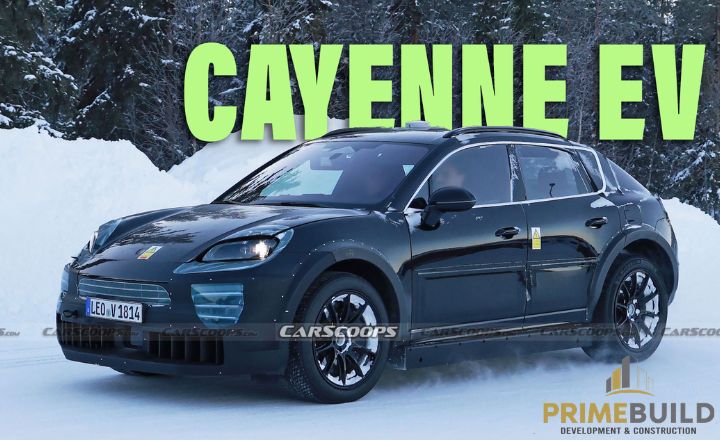
At its core, Electric Vehicle (EV) Engineering is the field of engineering that focuses on the design, development, manufacturing, and operation of vehicles
powered wholly or partially by electricity. Electric vehicles offer a clean and efficient alternative to traditional internal combustion engine (ICE) vehicles.
Modern advancements in battery technology have enabled impressive energy storage capacities, allowing EVs to achieve longer driving ranges that increasingly rival those of petrol-powered vehicles.
These technological improvements, combined with the rapid expansion of charging infrastructure, have transformed EV ownership from a challenging concept into a practical and attractive transportation option for many consumers worldwide.
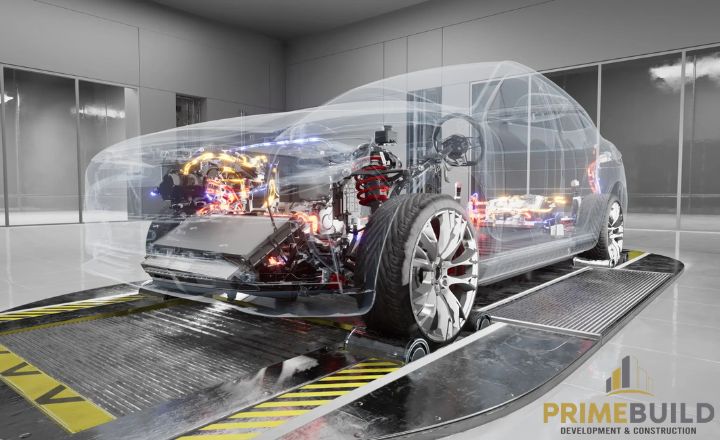
The resurgence of EVs signals a broader cultural and technological shift. Today’s drivers are not just looking to buy a car; they’re making a lifestyle choice aligned with environmental responsibility and economic practicality.
The appeal of escaping the petrol station is further enhanced by reduced maintenance needs and a smooth driving experience, essentially turning every journey into a more relaxed affair.
With municipalities actively investing in cleaner air initiatives, the return of electric vehicles can be viewed not only as a personal benefit but as a step toward a sustainable future, making it a pivotal moment in automotive history.
What Is an EV?
At its core, an electric vehicle isn’t just a car; it’s a bold leap towards sustainable transportation. With zero tailpipe emissions, EVs redefine our urban landscapes, promising cleaner air and reduced noise pollution.
The essence of an EV lies in its engineering simplicity fewer moving parts lead to a more dependable driving experience. Unlike traditional vehicles that rely on combustion, EVs deliver instant torque, providing an exhilaration that melds seamlessly with everyday commuting.
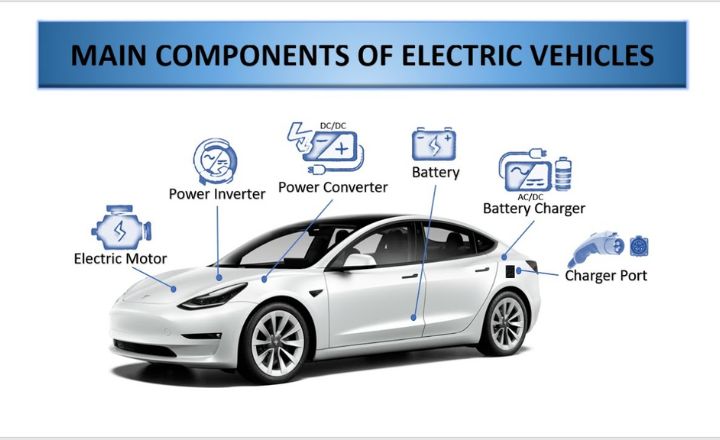
Moreover, the electric revolution is more than a technical shift; it’s a lifestyle change. Charging infrastructure is rapidly expanding, with many urban areas evolving to support home charging and convenient public stations.
As battery technology continues to improve, range anxiety is becoming a relic of the past. The excitement of driving an EV places you at the forefront of innovation while contributing to a sustainable future. So, when you ask, “What is an EV?” know that it represents not just a vehicle, but a vital step toward transforming our world for the better.
How Electric Vehicles Work
Electric vehicles (EVs) are automobiles powered by electricity rather than petrol or diesel fuel.
Although the basic concept of an EV is easy to understand, the engineering and technology behind its operation are more sophisticated. The following sections explain, step by step, how an electric vehicle works.
Step 1: Storing Electrical Energy
The first component of an electric vehicle is its high-capacity battery pack, which is usually a lithium-ion battery.
This battery stores electrical energy and serves as the primary power source for the vehicle. In most EVs, the battery pack is installed underneath the floor or integrated into the chassis. This placement lowers the vehicle’s center of gravity, improving stability, handling, and overall driving dynamics.
Step 2: Supplying Power to the Motor
When the driver presses the accelerator pedal, the battery supplies electricity to one or more electric motors. These motors convert electrical energy into mechanical energy, which rotates the wheels and propels the vehicle forward.
Unlike conventional internal combustion engine (ICE) vehicles, electric motors produce instant torque across a broad range of speeds. As a result, EVs accelerate smoothly and quickly without the delay commonly associated with gasoline engines.
Step 3: Power Transmission
Most electric vehicles do not require a traditional multi-speed transmission because electric motors can operate efficiently over a wide speed range. Instead, they typically use a single-speed reduction gearbox that transfers power from the motor to the wheels.
Although EVs are often said to have “no transmission,” this is not entirely accurate. They generally use a simplified transmission system consisting of a single-speed gear reduction unit.
There are a few exceptions, such as the Porsche Taycan, which employs a two-speed gearbox to improve both acceleration performance and high-speed efficiency.
Step 4: Driving Experience
Electric vehicles offer a unique driving experience. Since there are no gear changes and very little engine noise, acceleration feels smooth, quiet, and effortless.
Drivers experience immediate response when pressing the accelerator pedal, making EVs simple and enjoyable to operate.
The battery’s low mounting position also enhances vehicle balance, reducing body roll and increasing stability while cornering.
Step 5: Regenerative Braking
One of the most innovative features of EVs is regenerative braking. In conventional gasoline-powered vehicles, braking converts the vehicle’s kinetic energy into heat, which is then lost.
In contrast, when an EV slows down, the electric motor temporarily acts as a generator. It converts part of the vehicle’s kinetic energy back into electrical energy and stores it in the battery for future use.
Regenerative braking is particularly beneficial in stop-and-go traffic because it increases overall efficiency and extends driving range.
Step 6: One-Pedal Driving
Many modern electric vehicles allow drivers to adjust the strength of regenerative braking. In some models, the regenerative effect is strong enough to create a one-pedal driving experience.
With one-pedal driving, lifting your foot off the accelerator significantly slows the vehicle, reducing the need to use the brake pedal frequently. After becoming familiar with this system, many drivers find it more comfortable and intuitive than conventional driving.
Step 7: Reduced Maintenance Requirements
Another major advantage of electric vehicles is their lower maintenance requirements. EVs have fewer moving components than internal combustion engine vehicles and do not require routine services such as:
- Oil changes
- Spark plug replacements
- Timing belt maintenance
- Exhaust system repairs
The drivetrain is mechanically simpler, which reduces wear and maintenance costs over time. Studies suggest that EV owners can save substantial amounts on servicing expenses, depending on vehicle usage and local service costs. Some EV owners jokingly say that windshield washer fluid is one of their most frequent maintenance expenses.
Types of Electric Vehicles
When someone mentions “electric car” or “EV,” they might be referring to a variety of vehicle types, each contributing uniquely to the future of sustainable transportation.
At its core, an electric vehicle is any mode of transportation powered by electricity, but this encompasses several categories that vary in design and function.
The two main types are Battery Electric Vehicles (BEVs) and Plug-in Hybrid Electric Vehicles (PHEVs). BEVs, powered entirely by electric batteries, represent the purest form of an EV, offering zero tailpipe emissions and relying solely on electricity for propulsion.
Conversely, PHEVs combine traditional internal combustion engines with an electric drive system, allowing for a dual approach to energy use.
This versatility can appeal to those hesitant to fully adopt electric technology, as it alleviates range anxiety while still reducing overall emissions.
Another emerging category is the Fuel Cell Electric Vehicle (FCEV), which generates electricity through a chemical reaction between hydrogen and oxygen, showcasing yet another innovative pathway towards cleaner mobility.
Understanding these types of electric vehicles not only clarifies the landscape of sustainable transport but also highlights the diverse options available for consumers committed to reducing their carbon footprint.
Battery Electric Vehicles (BEVs)
Battery Electric Vehicles (BEVs) represent a transformative shift in the automotive landscape, offering a seamless fusion of technology and sustainability. With no fuel tank, tailpipe, or traditional engine, these vehicles reimagine what driving can be a harmonious blend of efficiency and eco-consciousness.
The absence of a gas station pitstop means drivers can recharge at home or at one of the growing networks of charging stations, turning the routine refuel into a convenient, modern lifestyle choice.
As the battery range continues to expand, averaging around 400 kilometers, BEVs are no longer viewed as a niche option but rather a mainstream contender.
This remarkable shift is reflected in statistics: a notable 17.1% of cars sold in Europe are fully electric, highlighting a significant consumer embrace of sustainable choices.
As awareness of climate change intensifies, the appeal of BEVs grows stronger, empowering drivers to contribute to a cleaner environment while enjoying the thrill of instant torque and quiet operation that only electric motors can deliver. Every sixth car sold in Europe boldly champions a vision for a greener future one where the allure of electric driving takes center stage.
Plug-in Hybrid Electric Vehicles (PHEVs)
Plug-in Hybrid Electric Vehicles (PHEVs) uniquely straddle the line between traditional gasoline engines and full electrification, offering a compelling solution for drivers wary of range anxiety.
With an electric range typically around 40 kilometers, they cater perfectly to daily city commutes and errands. Yet, the peace of mind provided by the onboard gas engine can easily lead to complacency; many drivers find themselves bypassing opportunities to charge, falling back on the combustion engine more often than ideal.
This dependence not only undermines the intended environmental benefits but also highlights the importance of commitment to regular charging for maximizing efficiency.
Moreover, as PHEVs account for 8.5% of cars sold in Europe, they represent a significant shift in consumer preferences and a stepping stone toward wider adoption of electric vehicles.
However, this dual powertrain approach can complicate maintenance and ownership costs, suggesting that the ‘best of both worlds’ mantra only holds for those who actively engage in the plug-in lifestyle.
As the EV market continues to evolve, with plug-in hybrids contributing to the impressive 25.2% market share in Europe, the challenge remains: educating drivers on the true potential of PHEVs and fostering a culture of consistent charging habits. Without this commitment, consumers may inadvertently miss out on the substantial benefits these innovative vehicles offer.
Hybrid Electric Vehicles (HEVs)
Hybrid Electric Vehicles (HEVs) represent a fascinating convergence of traditional gasoline engines and electric motor technology, creating a unique driving experience that demands minimal adjustment from traditional vehicle users.
With no need for external charging, these vehicles seamlessly blend efficiency with convenience; the gas engine powers the vehicle while simultaneously recharging the small onboard battery.
This innovative approach enhances fuel economy, allowing drivers to benefit from improved mileage without changing their daily habits or refueling routines.

Interestingly, while HEVs incorporate electric components, they are frequently categorized alongside internal combustion engine (ICE) vehicles, leading to a perception that they are not “true” electric vehicles.
This distinction is pivotal in understanding their growing popularity in Europe, where they now account for a staggering 35.3% of all car sales.
As consumers become increasingly conscious of fuel efficiency and environmental impact, HEVs offer an accessible entry point into eco-friendliness without the range anxiety associated with fully electric vehicles. The hybrid model may well be the bridge that guides more drivers toward sustainable options, making it a compelling choice for today’s eco-aware consumer.
Fuel Cell Electric Vehicles (FCEVs)
Fuel Cell Electric Vehicles (FCEVs) represent a promising evolution in the realm of sustainable transportation, distinguished by their unique ability to generate electricity onboard.
Unlike conventional electric vehicles that rely on large batteries, FCEVs harness the energy from hydrogen through a chemical reaction in the fuel cell, producing only water vapor as a byproduct.
This innovative technology presents a significant opportunity to reduce urban air pollution and achieve climate goals. However, the path to widespread adoption remains littered with challenges, primarily the lack of a robust hydrogen refueling infrastructure across Europe.
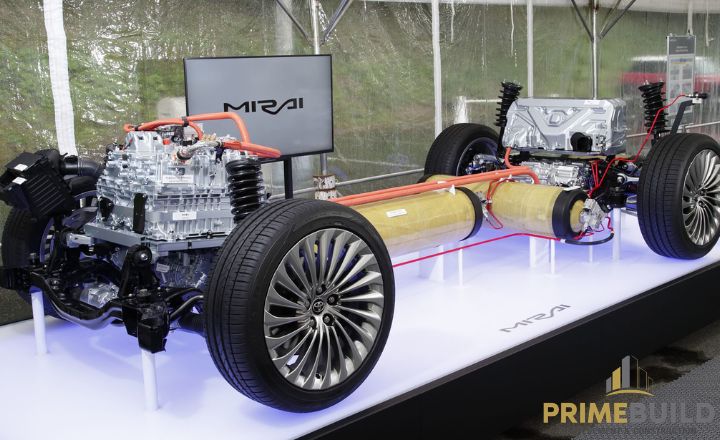
Germany and France have taken impressive strides to cultivate early-stage hydrogen ecosystems, yet substantial obstacles linger.
For example, a network of refueling stations needs to blossom across additional countries to facilitate accessibility for consumers. With only 1,202 hydrogen cars sold in Europe in 2024, it’s evident that early adopters are navigating an uncertain landscape where convenience is a critical factor.
As the automotive industry pivots towards electrification, public and private investments in hydrogen infrastructure could catalyze greater consumer interest in FCEVs, potentially unlocking their full environmental benefits and helping to redefine the future of clean transport.
Charging and Everyday Life
After understanding how electric vehicles work, it is equally important to understand how they are charged and how they fit into everyday life.
For many new EV drivers, charging appears to be the biggest adjustment compared to owning a conventional petrol-powered vehicle. However, once drivers become familiar with the charging process, many find it more convenient than visiting fuel stations.
Step 8: Understanding EV Charging
Charging an electric vehicle means replenishing the electrical energy stored in its battery. EV charging can be highly convenient, especially for people with access to a private garage or driveway where the vehicle can stay plugged in overnight.
Unlike refueling a petrol vehicle, connecting an EV to a charger takes only a few seconds. The vehicle charges automatically while parked, allowing drivers to begin each day with a fully or partially charged battery.
In Europe, EV charging generally uses Type 2 connectors for AC charging and CCS connectors for DC fast charging.
Step 9: AC Slow Charging (Home Charging)
AC slow charging, commonly known as home charging, utilizes a standard household electrical outlet operating at approximately 230 volts.
This charging method typically delivers between 3 and 7 kilowatts (kW) of power and can provide approximately 10 to 20 kilometers of driving range per hour of charging.
Home charging is particularly useful for drivers who leave their vehicles parked overnight. Charging for about 10 hours can add approximately 100 to 200 kilometers of driving range, which is sufficient for most daily commuting needs.
Step 10: AC Fast Charging
AC fast charging is commonly available at workplaces, parking facilities, and certain public charging locations.
This method uses dedicated wall-mounted charging equipment, often called wallboxes, capable of delivering up to 22 kW of power.
AC fast chargers can typically add between 50 and 100 kilometers of driving range per hour, allowing most vehicles to recharge sufficiently within a few hours.
Step 11: DC Fast Charging
DC fast charging is primarily available at public charging stations, shopping centers, highways, and locations designed specifically for electric vehicles.
These charging systems use specialized equipment that delivers power ranging from 50 kW to 350 kW.
DC fast chargers are ideal for long-distance travel and situations where drivers need to recharge quickly. Many modern EVs can recharge their batteries from a low state of charge to approximately 80 percent capacity in less than 30 minutes.
Step 12: EV Charging in Everyday Life
As charging networks continue to expand, owning an EV becomes increasingly practical. Although long road trips may still require some planning, the availability of charging stations along highways and in urban areas is improving rapidly.
Drivers who charge primarily at home often find EV ownership more convenient than visiting petrol stations regularly.
Step 13: Why Drivers Switch to Electric Vehicles
Several factors encourage drivers to transition from internal combustion engine (ICE) vehicles to electric vehicles.
Lower Operating Costs
Electricity is generally less expensive than petrol, reducing the cost per kilometer traveled. Additionally, EVs contain fewer moving components, resulting in fewer unexpected repair expenses.
Quiet and Comfortable Driving
Since electric motors produce very little noise, EV cabins remain quiet and comfortable, especially during city driving and traffic congestion.
Instant Performance
Electric motors deliver maximum torque immediately, allowing quick acceleration, easier overtaking, and confident merging into traffic.
Smart Energy Integration
EVs integrate well with smart home energy systems. Drivers can schedule charging during off-peak electricity hours, improving efficiency and reducing energy costs.
Reduced Maintenance
Electric vehicles eliminate the need for oil changes, spark plug replacements, timing belt servicing, and many other maintenance procedures associated with conventional vehicles.
Software Updates
Modern EVs often receive over-the-air software updates, enabling manufacturers to improve vehicle features, performance, and user interfaces without requiring dealership visits.
Environmental Benefits
Electric vehicles produce no tailpipe emissions during operation, helping improve urban air quality.
Although battery manufacturing generates higher initial emissions, studies indicate that EVs generally achieve significantly lower lifetime carbon dioxide emissions compared with conventional internal combustion engine vehicles.
After sufficient driving distance, EVs typically offset the additional emissions associated with battery production.
Modern Vehicle Design
Many electric vehicles feature minimalist interiors, digital dashboards, software-based controls, and advanced connectivity features. These design elements contribute to a modern driving experience while helping drivers transition toward more sustainable transportation technologies.
What to Keep in Mind Before Switching to an Electric Vehicle
Although electric vehicles offer numerous advantages, they are not without limitations. Prospective buyers should carefully evaluate their driving habits, local charging infrastructure, and financial considerations before making the transition.
Step 14: Consider the Initial Purchase Cost
One of the primary concerns associated with EV ownership is the higher upfront purchase price. In many markets, electric vehicles remain more expensive than comparable internal combustion engine (ICE) vehicles due to battery manufacturing costs.
However, government incentives, tax credits, rebates, and lower operating expenses can help offset the higher initial investment over time.
Step 15: Understand Driving Range Limitations
Modern electric vehicles commonly provide driving ranges exceeding 300 kilometers on a single charge. Nevertheless, actual driving range can vary depending on several factors, including:
- Cold weather conditions
- High-speed driving
- Hilly or mountainous terrain
- Use of heating and air-conditioning systems
Many potential buyers experience range anxiety before purchasing an EV. However, surveys of EV owners indicate that this concern often decreases significantly once drivers become familiar with their vehicle’s capabilities and charging routines.
Step 16: Consider Charging Time Requirements
Charging an electric vehicle generally requires more time than refueling a conventional gasoline vehicle. Even when using DC fast chargers, drivers may need to wait approximately 20 to 30 minutes to recharge the battery to around 80 percent capacity.
For daily commuting, home charging usually eliminates this inconvenience. Additionally, modern navigation and route-planning applications can help drivers locate charging stations and optimize travel schedules.
Step 17: Evaluate Battery Life and Warranty Coverage
Battery longevity is another important consideration for EV owners. Most manufacturers provide battery warranties ranging from 8 to 10 years, offering protection against significant battery degradation.
Studies conducted on large EV fleets indicate that modern electric vehicle batteries lose approximately 1.8 percent of their capacity per year on average. As a result, many batteries still retain more than 85 percent of their original capacity after eight years of use.
Although battery replacement costs can be substantial, understanding warranty terms and expected battery lifespan allows buyers to make informed purchasing decisions, similar to evaluating any other major vehicle component.
The Future of Electric Vehicles
Step 18: The Growing Shift Toward Electric Mobility
The global transportation industry is undergoing a significant transformation, with electric vehicles becoming an increasingly important part of future mobility.
Major automobile manufacturers are investing billions of dollars in EV research, development, and production to meet stricter environmental regulations, including the European Union’s Euro 7 emission standards and the EU’s objective of achieving zero-emission vehicle sales by 2035.

Governments and cities around the world are promoting electric transportation to improve air quality, reduce greenhouse gas emissions, and create quieter urban environments.
Industrial Engineering: Industrial Engineering is the branch of engineering that designs, improves, and optimizes systems involving people, materials, equipment, and processes to increase efficiency and productivity.
Step 19: Continuous Technological Advancements
Electric vehicle technology continues to advance rapidly. Every year, manufacturers introduce new EV models equipped with larger battery packs, faster charging capabilities, improved driving ranges, and more affordable pricing.
Several automotive companies have announced plans to transition entirely to electric vehicle production within the next decade.
At the same time, newly established EV-focused manufacturers are entering the market and gaining considerable popularity, increasing competition and accelerating innovation.
Step 20: Expansion of Charging Infrastructure
One of the key factors supporting EV adoption is the continuous expansion of charging infrastructure. Charging stations are increasingly being installed along highways, in residential neighborhoods, office complexes, shopping centers, and public parking areas.
The growing availability of charging facilities helps reduce range anxiety and makes electric vehicles more practical for both daily commuting and long-distance travel.
Step 21: Moving Toward a Sustainable Future
The transition to electric mobility is widely regarded as an essential step toward sustainable transportation. Electric vehicles help address challenges associated with conventional gasoline-powered vehicles, including air pollution, greenhouse gas emissions, and dependence on fossil fuels.
As battery technology improves, charging networks expand, and vehicle costs gradually decline, electric vehicles are expected to play a dominant role in the future automotive industry.
For many experts, the shift toward electric transportation is no longer a possibility but an inevitable progression toward cleaner, smarter, and more efficient mobility systems.
Conclusion
Electric vehicles represent a major advancement in modern transportation technology. They operate using high-capacity batteries and electric motors, provide smooth and efficient driving experiences, require less maintenance, and contribute significantly to environmental sustainability.
Although challenges such as charging infrastructure, purchase costs, and battery considerations remain, ongoing technological improvements and increasing public acceptance suggest that electric vehicles will continue to shape the future of transportation worldwide.