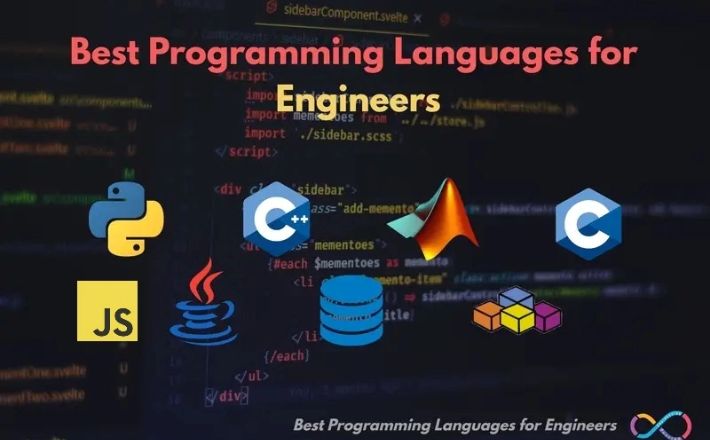
In our exploration of “Top Programming Languages for Computer In the realm of software development, the choice of programming language is not just a matter of preference; it defines the framework within which a project operates.
Conversely, languages like Python and Ruby are celebrated for their readability and ease of use, making them ideal for rapid prototyping and web development. Each language serves a unique purpose, requiring developers to align their project goals with the strengths of the language they select.
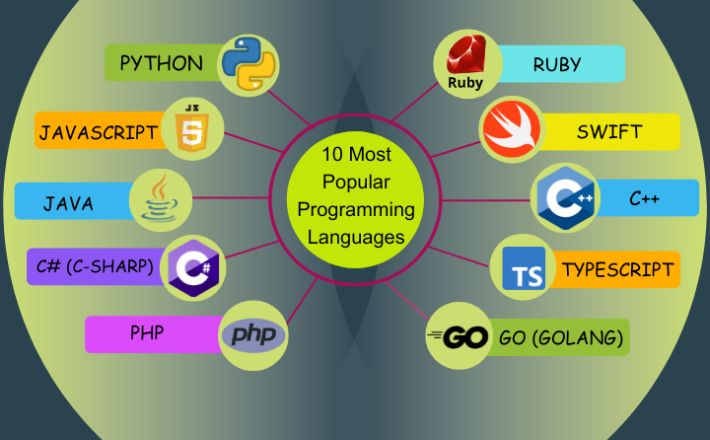
Understanding the best use cases for coding languages is essential for creating optimized solutions. For instance, Java is a powerhouse in enterprise environments due to its portability across platforms, whereas JavaScript reigns supreme in web development, orchestrating dynamic user interfaces.
What Is Coding? Top Programming Languages
By mastering programming languages, individuals unlock the potential to direct computers in ways that can transform their daily lives. From automating mundane tasks to creating intricate software solutions, coding empowers people to translate their ideas into functional digital realities.
This direct communication with technology shapes industries, enhances productivity, and even drives innovation in unexpected ways, such as in smart home devices or personalized advertising.
As our reliance on technology deepens, the pathways to learning coding have become more diverse and accessible. Free coding bootcamps offer an excellent entry point for enthusiastic learners eager to understand the nuances of various programming languages without financial strain.
They can quickly grasp foundational concepts and experiment with real-world applications. Languages like Python and JavaScript not only equip coders with essential skills for web and app development, but they also cultivate a mindset of problem-solving that transcends the screen.
By embracing coding, individuals gain the tools to actively participate in a digital landscape, not just as consumers but as creators.
C++ Top Programming Language
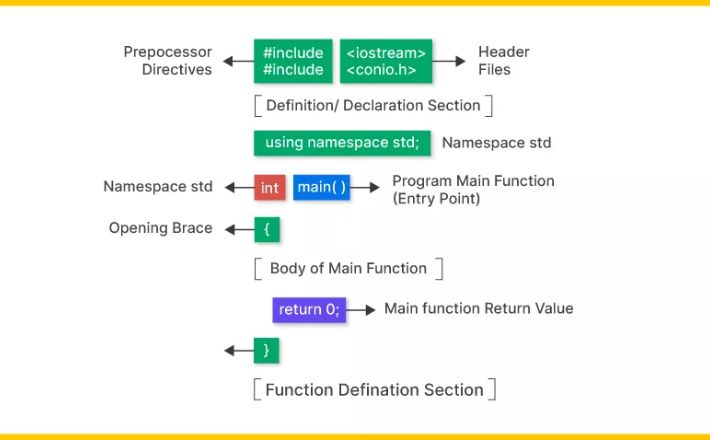
C++ is a general-purpose, high-performance programming language developed as an extension of C. It is widely used for building operating systems, game engines, browsers, embedded systems, and other software that needs speed and direct control over memory.
What C++ is
- A compiled, multi-paradigm language.
- Supports both procedural and object-oriented programming.
- Gives programmers strong control over system resources and memory.
Why C++ matters
- It is fast and efficient, which makes it ideal for performance-critical software.
- It is used in robotics, machine learning, scientific computing, video games, and system software.
- Learning C++ also makes it easier to understand other languages and low-level programming concepts.
Where C++ is used
- Video game development.
- Operating systems and system tools.
- Browsers and search engines.
- Embedded systems.
- Finance, simulations, and scientific applications.
- Large software products from companies like Adobe, Microsoft, Apple, and others.
Who uses C++
- Software developers.
- Video game programmers and designers.
- System engineers.
- Embedded and robotics engineers.
How to learn C++
- Start with a computer science or software engineering degree, or a C++ bootcamp.
- Practice variables, loops, functions, classes, pointers, memory management, and data structures.
- Build small projects regularly, because C++ improves most through hands-on coding.
C Top Programming Language
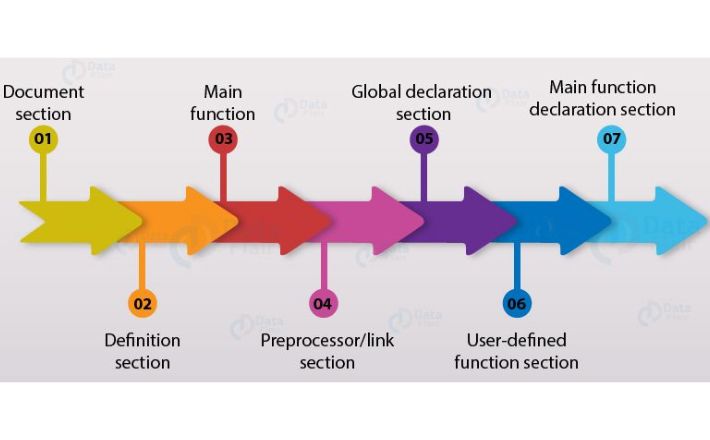
C is a general-purpose programming language used to build operating systems, databases, applications, and system-level software. It is known for speed, portability, and close control over hardware, which is why it remains widely used in software engineering.
What C is
- A procedural, compiled language.
- Originally developed at Bell Labs in the early 1970s by Dennis Ritchie.
- Designed to write efficient system software, especially UNIX-related software.
Why C is important
- It is fast and efficient for low-level programming.
- It teaches how computers work beneath higher-level languages.
- Many later languages borrowed ideas and syntax from C, so learning it builds a strong foundation.
Where C is used
- Operating systems.
- Embedded and internet-connected devices.
- Databases and compilers.
- Networking and real-time systems.
- Software at companies such as Oracle, Microsoft, Apple, and car manufacturers.
Who uses C
- Computer programmers.
- Software engineers.
- Embedded systems developers.
- System programmers.
How to learn C
- Study computer science or software engineering.
- Take structured C bootcamps or beginner courses.
- Practice pointers, arrays, functions, memory management, and file handling first.
Why can C feel hard
C is more challenging than many modern languages because it requires a strong understanding of memory, pointers, and system behavior. That difficulty is also what makes it so useful for learning how software really works.
C# Top Programming Languages
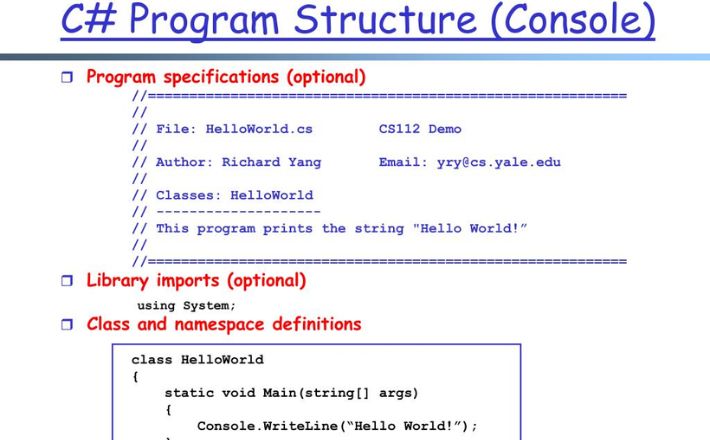
C# is a modern, object-oriented programming language created by Microsoft. It is widely used for web development, game development, desktop apps, cloud apps, mobile apps, and enterprise software.
What C# is
- A general-purpose, object-oriented language.
- Designed to work with the .NET platform.
- Often considered easier to learn than C++ because of its higher-level structure and managed memory features.
Why C# matters
- It is fast, efficient, and well supported by Microsoft.
- It powers a wide range of applications, from APIs and web apps to games and IoT systems.
- It is especially strong for enterprise and cloud development.
Where C# is used
- Web applications and APIs.
- Game development, especially with Unity.
- Desktop software.
- Mobile apps.
- Cloud-native and microservice systems.
- AI and machine learning integrations.
Who uses C#
- Software engineers.
- Game developers and video game designers.
- Backend developers.
- Enterprise application developers.
How to learn C#
- Study computer science or software engineering.
- Use C# bootcamps or structured online learning.
- Practice with classes, objects, collections, exceptions, LINQ, async programming, and .NET application building.
Good fit for C#
C# is a strong choice if you want to build business software, web APIs, Unity games, or applications in the Microsoft ecosystem.
Go
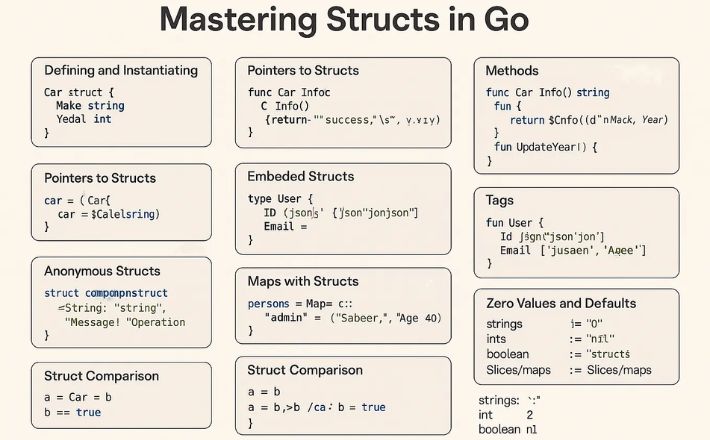
Go is an open-source programming language created at Google, known for its simplicity, speed, and strong support for concurrency. It is widely used for backend development, cloud systems, networking tools, and high-performance software.
What Go is
- A compiled, statically typed language.
- Designed to be simple, readable, and efficient.
- Built with modern software development and systems programming in mind.
Why Go matters
- It is fast to compile and run.
- It handles concurrent tasks very well.
- It is popular for scalable server-side applications and cloud-native development.
Where Go is used
- Google production systems.
- Cloud computing tools and services.
- Web servers and backend APIs.
- Networked and distributed systems.
- Companies such as Google, Netflix, Medium, and Salesforce.
Who uses Go
- Software developers.
- Go programmers.
- Backend engineers.
- Cloud and infrastructure engineers.
How to learn Go
- Start with Go bootcamps or online courses.
- Practice variables, functions, structs, interfaces, goroutines, and channels.
- Build small projects like APIs, CLI tools, and concurrent services.
Good fit for Go
Go is a strong choice if you want to build scalable services, cloud software, or backend systems with clean and efficient code.
HTML
HTML is the standard markup language used to create and structure web pages. It uses text-based tags, which makes it one of the easiest languages for beginners to learn.
What HTML is
- HTML stands for HyperText Markup Language.
- It is used to define the structure of a webpage, such as headings, paragraphs, links, images, and lists.
- It is not a programming language; it is a markup language.
Why HTML is important
- HTML is the foundation of almost every website.
- Web developers use it to build apps and websites.
- It also supports video and image embedding, navigation, and page layout.
Where HTML is used
- YouTube
- Almost every modern website and web app
Who uses HTML
- Front-end developers
- Web developers
- Mobile developers
How to learn HTML
- Computer science degree programs
- HTML bootcamps
- Software engineering bootcamps
- HTML online courses
Why it is beginner-friendly
HTML is a good first step into web development because it is simple, readable, and gives immediate visible results in the browser.
Java
Java is a general-purpose, object-oriented programming language first released in 1995 by Sun Microsystems. It is widely used for web applications, enterprise software, mobile apps, desktop software, games, and backend systems.
What Java is
- An object-oriented language with a strong structure for building reusable code.
- Designed to run on many different platforms.
- Known for its large ecosystem of libraries, tools, and learning resources.
Why Java matters
- It is one of the most popular programming languages in the world.
- It is heavily used in enterprise development, web systems, games, and internet-connected devices.
- Its portability and reliability make it valuable for large-scale software.
Where Java is used
- Airbnb.
- Spotify.
- Uber.
- Mobile and Android apps.
- Web servers and enterprise platforms.
Who uses Java
- Software engineers.
- Back-end developers.
- Java developers.
- Web developers.
How to learn Java
- Study computer science or software engineering.
- Join Java bootcamps or full-stack web development bootcamps.
- Practice core topics like classes, objects, inheritance, collections, exceptions, and multithreading.
Why it is a strong language to learn
Java is especially useful if you want to work in backend development, enterprise software, or Android ecosystems. Its large community and long history also make it beginner-friendly in terms of available learning support.
Here’s a quick overview of JavaScript and how it fits into the broader coding world.
JavaScript
JavaScript is a text-based programming language created in 1995, and it’s supported by every major web browser today. It’s used across web development, mobile development, and game development, which makes it one of the most versatile languages a developer can learn.
Why It Matters
JavaScript stands out because it works on both sides of an application:
- Front-end development: controlling what users see and interact with in the browser
- Back-end development: powering servers and application logic (typically via Node.js)
This dual capability is a big reason it’s remained one of the most in-demand languages for web development for decades.
Real-World Usage
Companies like Netflix, PayPal, and LinkedIn rely on JavaScript in their tech stacks — a good sign of how scalable and production-ready the language is.
Who Uses It
- Front-end developers
- Software engineers
- Web developers
- JavaScript developers (specialists)
How People Learn It
There are several common paths:
- Computer science bachelor’s degrees broad theoretical foundation
- Software engineering bachelor’s degrees more applied, engineering-focused
- JavaScript bootcamps are fast, focused, and often job-oriented
- Software engineering bootcamps provide broader coverage, including JS
- MOOCs (massive open online courses) are flexible, self-paced, and often free or low-cost
Here’s a breakdown of PHP and where it fits in the web development world.
PHP
PHP is a scripting language and general-purpose programming language, originally built for web development. It’s often praised as beginner-friendly while still packing advanced features that professionals rely on for complex applications a rare combination that’s helped it stick around for decades.
Why It Matters
PHP’s biggest strength is its versatility with databases. It works smoothly with MySQL, PostgreSQL, SQLite, and others, which makes it a natural fit for building dynamic, data-driven websites — think anything with logins, user content, or e-commerce.
It’s also a server-side language, meaning it runs on the back end to generate web pages, process forms, manage sessions, and talk to databases before anything reaches the user’s browser.
Real-World Usage
PHP powers some huge names:
- WordPress the content management system behind a huge share of websites on the internet
- Spotify is part of its backend infrastructure
- Facebook originally built in PHP (and Meta later created HHVM/Hack, a PHP-derived language, to scale it)
Who Uses It
- PHP developers (specialists)
- Full-stack developers
- Software developers
How People Learn It
- Bachelor’s in computer science — foundational, broad
- Web developer bootcamps — practical, often covering PHP alongside HTML/CSS/JS
- PHP bootcamps — focused specifically on PHP and common frameworks (like Laravel)
Here’s a look at Python and why it’s become such a dominant language.
Python
Python is an easy-to-learn, object-oriented, general-purpose language. It’s open-source and comes with a massive ecosystem of frameworks and libraries (like Django, Flask, TensorFlow, and Pandas), which is a big part of why it can be used for almost anything — web apps, automation, data analysis, AI, and more.
Why It Matters
Python has ranked at the top of the TIOBE Index — a widely-cited measure of programming language popularity — since 2022. Its reach spans a wide range of industries:
- Engineering
- Machine learning
- Finance
- Data science and analytics
Developers consistently point to its flexibility and readability as major advantages — Python’s clean syntax makes it a common first language for beginners, while its libraries make it powerful enough for advanced, specialized work.
Real-World Usage
- Dropbox — much of its backend and desktop client
- Netflix — data analysis, automation, and backend tooling
- Facebook — parts of infrastructure and tooling
Who Uses It
- Back-end developers
- Python developers (specialists)
- Data scientists
- Data engineers
This is one of Python’s distinguishing traits compared to JavaScript or PHP — it’s just as central to data science and analytics careers as it is to traditional software development.
How People Learn It
- Python bootcamps focused, fast-paced
- Full-stack web development bootcamps, Python is often paired with frameworks like Django
- Bachelor’s in computer programming, with a broader technical foundation
- Data science bootcamps: Python plus statistics, ML, and data tools
- MOOCs: flexible, self-paced learning
Here’s a breakdown of R and its niche in the programming world.
R
R is an open-source language built specifically for data work — data management, storage, statistical analysis, and visualization. Unlike Python or JavaScript, which are general-purpose languages that can do data work, R was designed from the ground up by statisticians for statistics.
Why It Matters
R has carved out a strong role as big data and machine learning have grown, particularly for:
- Data mining — finding patterns in large datasets
- Statistical analysis — R was built by statisticians, so its statistical methods run deep
- Data visualization — packages like ggplot2 are considered some of the best tools available for turning data into clear, polished graphics
This makes R a favorite in academic research and any field where rigorous statistical modeling matters.
Real-World Usage
- Google — statistical analysis and internal tools
- Facebook — data analysis at scale
- Microsoft — acquired Revolution Analytics (an R-focused company) and integrated R into its data tools
- Fintech — risk modeling, quantitative analysis, forecasting
Who Uses It
- Data scientists
- Data analysts
- Database administrators
Notice this list skews more toward analysis-focused roles rather than traditional software engineering — R is less commonly used to build applications and more to explore, model, and interpret data.
How People Learn It
- Data analytics bootcamps practical, focused on real datasets and tools
- Bachelor’s in computer science often paired with statistics coursework
Here’s a look at Ruby and where it fits among the languages we’ve covered.
Ruby
Ruby is an accessible, general-purpose, high-level, open-source language. It’s known for prioritizing developer happiness and readability the syntax reads almost like plain English, which is part of why it’s often recommended to beginners alongside Python.
Why It Matters
Ruby shows up in a few different corners of tech:
- Web development its biggest use case by far, largely thanks to the Ruby on Rails framework
- 3D modeling used in some scripting/plugin contexts
- Data processing less common than Python or R, but present
Developers point to a few specific strengths: security, cost (it’s free and open-source), and fast processing speed. Rails in particular became famous for letting small teams build full web applications quickly, which fueled a lot of startup adoption in the 2000s and 2010s.
Real-World Usage
- Grubhub — built much of its early platform on Ruby on Rails
- Policygenius — insurance comparison platform
- MassMutual — insurance and financial services
This list leans toward insurance and fintech-adjacent companies, alongside its classic startup/web-platform roots (Airbnb, GitHub, and Shopify are other well-known Ruby users, though not listed here).
Who Uses It
- Software engineers
- Ruby developers (specialists)
How People Learn It
- Ruby on Rails bootcamps — the most common path, since Rails is Ruby’s flagship framework
- Full-stack web development bootcamps — Ruby often taught alongside JS and databases
- Bachelor’s in computer science — broader foundation, less Ruby-specific
Rust
Rust is a general-purpose, high-level programming language known for one particular tradeoff: it’s genuinely difficult to learn, but that difficulty buys developers a set of advanced features most languages can’t match — especially around memory safety and performance.
Why It Matters
Rust’s core reputation rests on three pillars:
- Speed — comparable to C and C++, since it compiles to native machine code with no garbage collector slowing things down
- Flexibility — usable for systems programming, web backends, embedded devices, and more
- Safety — Rust’s “borrow checker” catches memory errors (like null pointers or data races) at compile time, before the code ever runs — a huge deal in industries where crashes or security bugs are costly
This combination is rare. Usually a language trades safety for speed, or speed for ease of use. Rust tries to hold onto all three, which is exactly why it’s demanding to learn.
Companies use it across a wide range of applications: operating systems, game development, and the back end of data science tools.
Real-World Usage
- Dropbox — performance-critical parts of its file sync engine
- Firefox — Mozilla built parts of the browser engine in Rust (Rust itself was originally created at Mozilla)
- Cloudflare — infrastructure that needs to be both fast and secure at massive scale
Who Uses It
- Rust developers (specialists)
- Software engineers
Notice this list is narrower than Python’s or JavaScript’s — Rust tends to attract engineers working on performance-critical or safety-critical systems rather than general app development.
How People Learn It
- Rust bootcamps less common than JS or Python bootcamps, reflecting Rust’s smaller (but growing) beginner-focused ecosystem
- Computer science bachelor’s degree programs the more traditional path, often after already knowing C or C++
SQL
SQL (Structured Query Language) was created in the 1970s making it the oldest language in this whole series by a wide margin. It’s designed specifically to store and manage data in relational databases (databases organized into tables with rows and columns).
It’s also widely considered easy to learn, since its syntax reads a lot like structured English (SELECT name FROM users WHERE age > 18).
One key distinction: SQL isn’t a general-purpose language like the others we’ve covered. You don’t build an app or a game with it you use it alongside other languages to talk to a database.
Why It Matters
SQL’s staying power comes from two things:
- Popularity: It’s been the standard for relational databases for decades, so it’s almost universally supported
- Interoperability: it works well with other languages, meaning a Python, JavaScript, PHP, or Ruby app can all use SQL underneath to store and fetch data
Nearly any application with a login, a shopping cart, or user-generated content is using SQL (or a close variant) somewhere in its stack to update and retrieve data.
Real-World Usage
- Oracle: one of the largest relational database companies in the world, built entirely around SQL
- Microsoft: SQL Server is a major enterprise database product
- IBM: Db2 and other enterprise database systems
Notice this is different from the other lists these are database vendors, not just companies using SQL internally. That reflects how SQL is often tied directly to the database software itself.
Who Uses It
- Back-end developers
- Software developers
- Database administrators
- Data analysts
- Data engineers
This is the broadest “who uses it” list of any language covered — a sign of how foundational SQL is. Nearly every technical role that touches data ends up using it at some point, even if their primary language is something else.
How People Learn It
- Data analytics bootcamps practical, often paired with tools like Excel or Tableau
- Computer science bachelor’s programs usually one course among many
- Data science bachelor’s programs SQL alongside statistics and Python/R
Here’s a look at Swift, the language built for Apple’s ecosystem.
Swift
Swift dates back to 2014, making it one of the youngest languages in this series. It was created by Apple specifically to power iPhone apps, and it’s since become essential for anyone building across Apple’s platforms.
Why It Matters
Swift’s biggest claim to fame is that it quickly replaced Objective-C, the older, more verbose language Apple developers used for decades as the default choice for building on Apple hardware.
That’s a fast changeover for an entire industry to make, and it speaks to how much easier and safer Swift is to write compared to what came before it.
Beyond Apple itself, companies like IBM, LinkedIn, and Airbnb have adopted Swift, showing it’s moved beyond just “the Apple language” into broader enterprise use.
Real-World Usage
Swift’s use cases are tightly tied to Apple’s hardware lineup:
- macOS desktop apps
- Apple Watch apps
- iPhone and iPad apps
Unlike Python or JavaScript, which run almost anywhere, Swift’s home turf is specifically the Apple ecosystem, though Apple has made efforts to bring Swift to servers and other platforms too.
Who Uses It
- Mobile app developers
- Software developers
- Web developers
The presence of web developers here is a bit notable — while Swift is best known for apps, it does have limited use in server-side contexts (like the Vapor framework).
How People Learn It
- Online Swift courses: often the entry point, given Apple’s own free learning resources (like Swift Playgrounds)
- Swift bootcamps: focused, practical training
- Bachelor’s in computer science: broader foundation, Swift is usually taught alongside mobile development electives
Conclusion
Choosing the right programming language depends on your career goals, project requirements, and the type of software you want to build. Languages such as C, C++, C#, Java, Go, and HTML each have unique strengths and are widely used across different areas of software development. By understanding their features, use cases, and learning paths, software engineers can select the most suitable language for their needs. Continuously practicing and learning these languages will help build a strong foundation for a successful career in software engineering.