

Managing organic waste sustainably is becoming increasingly important as we strive to reduce landfill use and protect our environment. Composting offers a natural way to recycle kitchen scraps, garden clippings, and other organic materials into nutrient-rich soil that benefits plants and reduces waste.
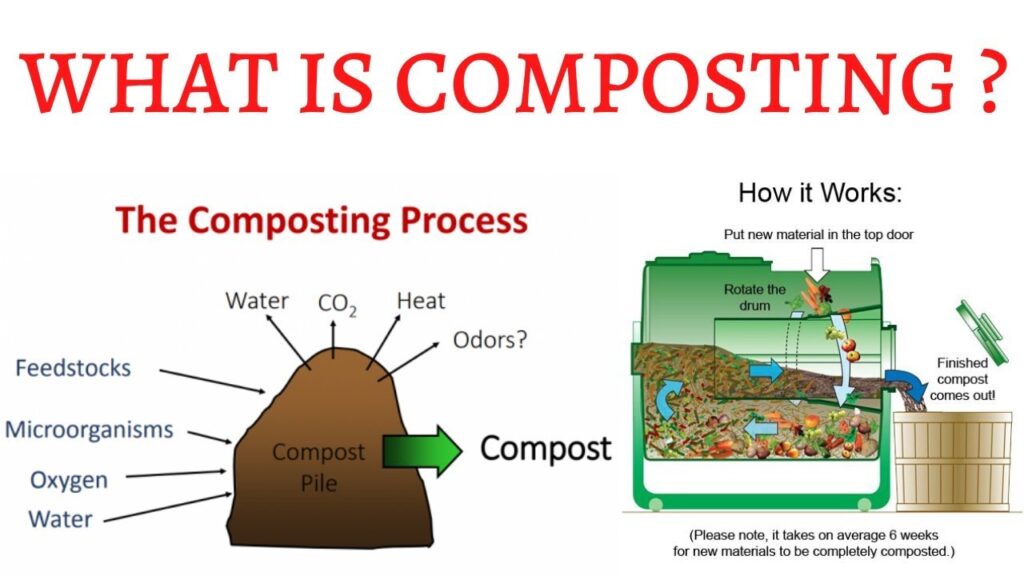
Composting plays a critical role in addressing two major environmental challenges: Reducing food waste and enriching soil for agriculture. As we strive for more sustainable agriculture, understanding and implementing composting practices can significantly impact our environment and food systems. T
The Importance of organic waste composting machine:
Composting converts organic waste into stable, nutrient-rich material through controlled biological decomposition; the main things to understand are feedstock, microbes, and the physical conditions that regulate their activity.
Composting proceeds through mesophilic, thermophilic, and curing phases, where different microbial communities dominate and temperatures rise and fall as decomposition progresses.
Why Use an Organic Waste Composting Machine?
Organic waste composting machines offer a modern, efficient solution for managing organic waste by accelerating decomposition and providing multiple practical benefits over traditional methods.
- Faster Results
These machines drastically reduce composting time from months to hours or days through automated aeration, heating, and mixing, handling both small household volumes and larger commercial loads with consistent efficiency, as seen in models like Smart Drum Composters.
- Environmentally Friendly Method
By diverting organic waste from landfills, they prevent methane emissions—a potent greenhouse gas—and lower overall carbon footprints, while producing nutrient-rich compost that enhances soil health and reduces reliance on synthetic fertilizers.
- Ease of Use
User-friendly designs with intuitive controls, minimal maintenance needs, and automated features make them accessible for homes, restaurants, or businesses, requiring little expertise or daily intervention.envcure+1
- Cost Savings
Significant reductions in waste disposal fees, along with free, high-quality compost replacing chemical fertilizers, deliver long-term savings; durable builds ensure low operational costs over years.
- Odor Control
Advanced aeration systems and enclosed processing eliminate odors, unlike open piles, with models like Smart Batch Composters maintaining clean operation even with high-moisture food scraps.
Who Can Benefit From Organic Waste Composting Machines?
Various households, businesses, communities, industries, and farmers benefit from organic waste composting machines due to their scalability, efficiency, and ability to process waste into valuable compost without odors or hassle.

- Households
Compact models like the Smart Xpress Composter fit easily in kitchens or backyards, allowing families to manage daily kitchen scraps and yard waste sustainably, producing compost for personal gardens while reducing bin collections.
- Food Businesses
Restaurants, cafes, and outlets cut waste volumes by 80-90%, lowering disposal costs and generating on-site compost for landscaping or supplier farms, complying with regulations and enhancing eco-friendly branding.
- Residential Complexes
Societies use systems like Covered Aerated Static Pile setups to handle collective waste, fostering community composting initiatives that divert tons from landfills and promote shared green spaces.
- Industries
Factories and food processors manage large organic volumes with robust machines like Smart Drum Composters, automating high-capacity processing to minimize logistics and environmental impact.
- Farmers
Batch systems deliver premium, natural compost to replace chemical fertilizers, improving soil fertility, crop yields, and sustainability while cutting input costs on expansive agricultural operations.
- Materials to Avoid
Exclude plastics and non-biodegradables, as they fail to break down and contaminate output; avoid chemical toxins like pesticides or cleaners, which harm microbes and soil health. Steer clear of oily foods and grease that slow decomposition and draw pests, plus dairy and meat products, causing odors and attracting rodents. Finally, omit diseased plants to prevent pathogen spread and ensure safe, high-quality compost.
How Does an Organic Waste Composting Machine Work?
Organic waste composting machines process organic waste through automated stages of grinding, aeration, and microbial decomposition to produce nutrient-rich compost rapidly and odor-free.
- Loading Trash
Users load grated vegetable peels, fruit scraps, food waste, and other organics directly into the machine’s hopper, where initial shredding or grating ensures uniform particle size for efficient breakdown.
- Grinding and Mixing
Built-in grinders like those in Smart Squeezer models pulverize waste into a homogeneous pulp, while excess moisture is drained to optimize the mix, preventing sogginess and promoting aerobic conditions.
- Decomposition Action
Heat (often 50-70°C), oxygen, and beneficial microorganisms accelerate breakdown of complex organics into simpler compounds like humus, with automated controls maintaining ideal temperature and microbial activity for fast results.
- Odor Management and Aeration
Superior aeration systems supply controlled oxygen to sustain aerobic decomposition, biofilters or exhausts neutralize foul smells, ensuring clean operation even with high-moisture or protein-rich waste.
- Product Output
The cycle ends with stable, pathogen-free, nutrient-enriched compost ready for soil application, enhancing plant growth, improving soil structure, and replacing chemical fertilizers in gardens or farms.
How to Improve Composting
Simple tips ensure optimal performance and high-quality compost from organic waste composting machines by maintaining balance, hygiene, and efficiency.
- Waste Separation
Separate only organic waste like vegetable peels and food scraps for input, removing plastics, metals, or non-biodegradables to prevent machine damage, contamination, and poor compost quality.
- Do Not Overcrowd
Load waste within the machine’s specified capacity to allow proper grinding, aeration, and heat distribution, avoiding clogs, uneven decomposition, or reduced efficiency.
- Balance Ingredients
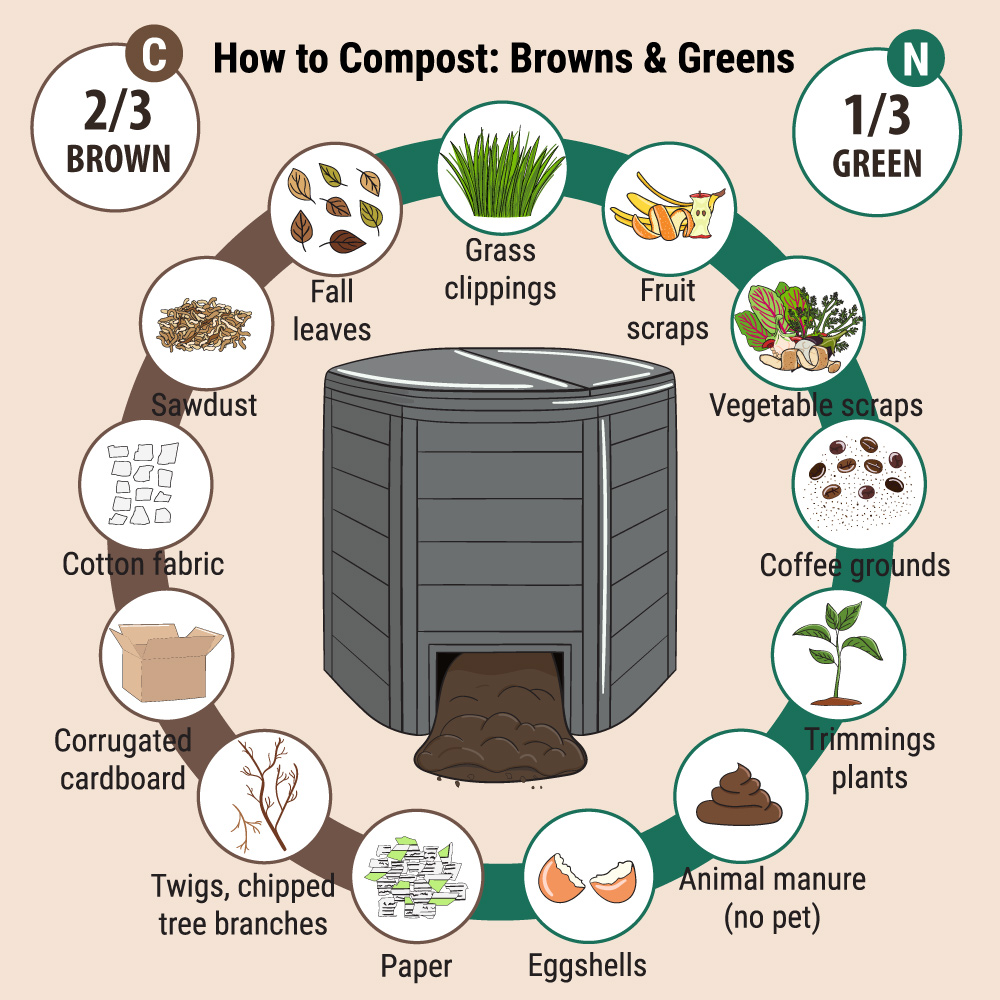
Combine nitrogen-rich greens (food scraps, grass clippings) with carbon-rich browns (dry leaves, cardboard) in roughly a 1:3 ratio to fuel microbes effectively without odors or slowdowns.
- Cleaning Regularly
Wipe down interiors, empty residue trays, and sanitize components weekly or as per the manual to prevent buildup, odors, and bacterial imbalances, ensuring hygienic, long-term operation.
- Monitoring Output
Regularly check compost for dark, crumbly texture, earthy smell, and no heat to confirm readiness; test pH or use it on plants to verify nutrient quality and process success.
Investing in an organic waste composting machine supports sustainability by transforming waste into valuable resources, streamlining operations, and cutting long-term costs.
Why Invest in an Organic Waste Composting Machine?
Investing in an organic waste composting machine offers environmental, economic, and operational advantages by converting food scraps and organic matter into nutrient-rich compost. These machines streamline waste management while supporting sustainability goals.
- Promotes Sustainability
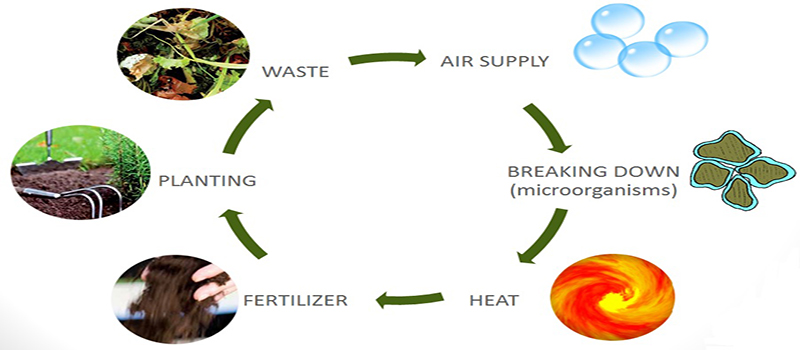
These machines divert organic waste from landfills, reducing methane emissions and pollution while producing nutrient-rich compost that enriches soil and closes the loop in a circular economy.
- Improves Waste Management
Models like Smart Batch Composters or Covered Aerated Static Pile systems handle large volumes efficiently with automation, ensuring consistent processing without manual intervention for homes, businesses, or communities.
- Saves Time and Effort
Automation eliminates labor-intensive turning, monitoring, and waiting of traditional composting, delivering finished compost in hours or days instead of months for effortless daily use.
- Lower Costs
Reduce disposal fees, hauling expenses, and chemical fertilizer purchases by generating free, high-quality compost on-site, with energy-efficient designs minimizing operational overhead.
- Greener Future
Adopting these machines inspires individuals, companies, and communities to prioritize eco-friendly practices, contributing to broader environmental goals like waste reduction and climate action.
Conclusion
Organic waste composting machines are revolutionizing the way we look at biodegradable waste: whether it’s a reduction in landfill or nutrient-rich compost. It makes waste management simple, efficient, and sustainable.
Our series of advanced composting machines will ensure there is a solution for every need, whether one is composting at home or on a large scale. Make your first step toward a greener future. By composting now, you will be part of the cleanest world.