
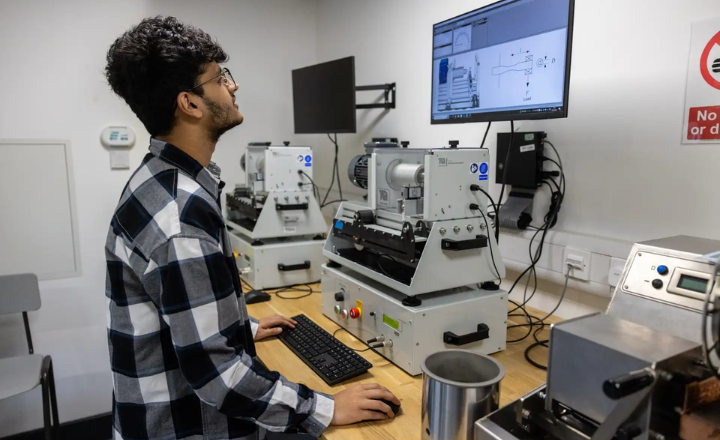
Computer engineering blends electrical engineering and computer science to design and build computer hardware, systems, and their interfacing software.
It emphasizes digital logic, microprocessors, embedded systems, and hardware-software integration, distinguishing it from pure computer science (software-focused) or electrical engineering (broader circuits and power).
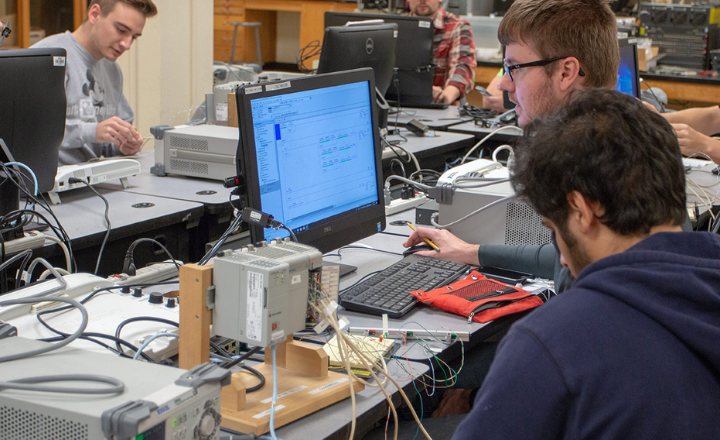
Historical Development
Early focus was on microprocessors and digital logic from computer science; it evolved to include networks, IoT, and AI hardware.
As the field grew, computer engineering continued to adopt design fundamentals and theories from computer science. Computer engineering is distinct from computer science because it focuses on hardware and computer design.
Case Western Reserve University offered the first accredited computer engineering program in the U.S. in 1971. As of 2024, more than 4,600 computer engineering programs in the country hold accreditation from ABET.
By 2024, over 4,600 ABET-accredited programs existed, reflecting global academic growth. [user-provided]
Core Differences from Related Fields
- Vs. Electrical Engineering: Computer engineering targets computing hardware (e.g., CPUs, GPUs) and embedded software; electrical covers power systems, signals, and analog circuits. Overlap exists in circuits, but CE dives deeper into programming and architecture.
- Vs. Computer Science: CE builds physical systems; CS theorizes algorithms and applications. CE grads handle hardware prototyping, while CS focuses on scalable software.
Core Responsibilities
- Hardware Design: Develop processors and circuit boards (including ASICs, FPGAs and chipsets) for computers and electronic devices. This involves using hardware-description languages (e.g. Verilog/VHDL) and electronic design automation tools (Cadence, Siemens, etc.) to design and verify chips and digital circuits.
- Embedded Systems & Firmware: Write low-level code (often in C or assembly) and integrate sensors, actuators and microcontrollers into everyday devices. For example, they program a device’s firmware to interface with a GPS chip or printer, and build “invisible” software inside appliances, cars or medical equipment.
- Software and System Development: Create system software (operating systems, device drivers) and applications that run on computers and embedded systems. Computer engineers use programming languages like C, C++, Java and Python to implement data structures and algorithms in software, apply version control (Git) and testing methods, and optimise code so hardware and software work together.
- Integration and Testing: Integrate hardware and software components into a complete working system and validate its performance. This includes testing prototypes, debugging hardware or firmware, and ensuring that the final product – whether a smartphone, a network router or an IoT device – operates as intended.
Path to Becoming a Computer Engineer
Becoming a computer engineer typically starts with a four-year bachelor’s degree in computer engineering or a related field (computer science, electrical engineering, etc.).
Accredited programs (especially ABET-accredited) cover a broad curriculum – mathematics (calculus, linear algebra, probability), basic sciences (physics), and engineering topics (circuits, digital logic, computer architecture, programming, embedded systems). These programs often culminate in a senior design project. Internships or co‑ops during college are highly recommended, as they give hands-on experience and can lead to job offers.
Specializations, Graduate Degrees and Certifications
After the bachelor’s, many computer engineers pursue further study or credentials. A master’s degree (typically 2 years) in computer engineering or a related field can open doors to specialized roles in R&D, hardware design or advanced software/AI development. Some large tech companies and specialised engineering jobs explicitly prefer candidates with a graduate degree.
For those not seeking another degree, professional certifications can boost credentials. For example, networking or security certs (Cisco CCNA/CCNP, CompTIA Security+, etc.) demonstrate specific expertise and may enhance promotions.
Forbes notes that certifications “can lead to career advancement and raises” for computer engineers. Engineer licensure (a Professional Engineer, PE, licence) is also an option for certain hardware roles, though not always mandatory.
Alternative Pathways: Bootcamps and Self-Study
Some aspiring engineers pursue coding bootcamps or self‑directed study in place of (or in addition to) formal degrees. Bootcamps typically last 2–6 months and focus intensely on practical skills (full-stack development, data science, etc.).
They can prepare graduates quickly for software development roles. However, the career scope is narrower: “many employers prefer or require a bachelor’s degree” for the best positions. In practice, employers often value a combination: degrees give a broad foundation, while bootcamps provide specialised skills.
For example, a student with a degree in a different field might do a bootcamp to switch into tech. Bootcamps often have strong career support, but jobs such as hardware design or embedded systems usually still expect an engineering degree. Bootcamp grads frequently enter roles like junior software engineer, web developer, or data analyst rather than pure “computer engineer” positions.
Career Steps and Experience
- Undergraduate Degree (Years 0–4): Enrol in an ABET-accredited computer engineering (or related) bachelor’s programme. Key courses include programming, algorithms, circuits, digital design, and computer architecture.
Participate in internships or co‑ops at tech companies or labs (hardware companies, software firms, etc.) to apply theory in practice. This experience is invaluable for landing your first job. - Entry-Level Jobs: After graduation, typical entry-level roles include computer hardware engineer, embedded systems engineer, test/validation engineer, firmware developer, network engineer, or software engineer. These positions often involve both hardware and software work.
For example, an entry-level computer engineer might set up and maintain hardware systems, write software to interface with devices, or troubleshoot technical issues. Employers expect candidates to have strong problem-solving skills and foundational engineering knowledge. - Professional Growth (Years 5+): With a few years’ experience, one can advance to senior engineer, systems architect, or team lead roles. Continuing education (master’s or professional courses) helps career growth.
Many mid-career engineers also earn advanced certifications or take specialised training (e.g. in FPGA design, advanced networking, cybersecurity) to stay current. - Graduate Degrees: If aiming for research, academia or senior R&D positions, a Master’s (2 years) or PhD in computer engineering is common. According to industry guides, “some specialized computer engineering jobs and large engineering companies may prefer candidates with a graduate degree.
A typical master’s programme includes advanced topics (systems theory, signal processing, embedded systems, etc.).
Actionable Roadmap
- Ages ~18–22 (BSc degree): Complete a bachelor’s in computer engineering (ABET-accredited). Focus on core engineering fundamentals. Take internships and participate in hands-on projects (design courses, maker labs).
- Ages ~20–24 (Internships & Entry Job): Use internships to network and gain experience. After graduation, apply for entry-level roles (junior hardware/software engineer roles). Build a portfolio of projects (e.g. embedded system projects, open-source contributions) to demonstrate skills.
- Ages ~22–26 (Optional Master’s, Certifications): If desired, pursue a 2-year M.Sc. while working, or part-time. This helps for specialized R&D roles. Simultaneously, earn certifications in areas of interest (e.g. cloud computing, cybersecurity) to stand out.
- Continuing Career (~age 24+): Progress to senior roles by gaining experience (e.g. designing major subsystems, leading small teams). Keep learning: attend workshops, conferences, or online courses. Consider higher credentials (PhD, PE license) for long-term advancement.
Skills, Tools and Languages
- Programming Languages: Proficient in languages such as C and C++ (for system-level code), Java and Python (for applications), and often Assembly (for low-level tasks). They also use hardware-design languages (Verilog/VHDL) when creating or simulating chips.
- Hardware Tools: Experience with development kits and tools like FPGAs (Intel/AMD), microcontroller platforms (Arduino, Raspberry Pi, NVIDIA Jetson), logic analyzers, and oscilloscopes. They use CAD/EDA software (e.g. Cadence, Xilinx tools) to design and verify circuits. Version control systems (Git) and testing frameworks are common for software projects.
- Foundational Knowledge: Strong grounding in digital logic and electronics (from electrical engineering) as well as data structures, algorithms and computer architecture (from computer science). This enables them to understand both the hardware behaviour and the software requirements of a system.
- Mathematics and Analysis: Comfortable with algebra, calculus, and statistics (for circuit design, signal processing, algorithm analysis, etc.). Problem-solving skills and an analytical mindset are crucial for debugging complex hardware/software interactions.
- Soft Skills: Creativity, communication, and teamwork are important. Computer engineers must solve novel problems (e.g., optimizing a design for power or speed) and clearly document or explain their work to colleagues.
Key Soft Skills for Computer Engineers
Computer engineers rely on soft skills to collaborate effectively, innovate, and adapt in dynamic tech environments. These skills complement technical expertise, especially in team-based projects like hardware-software integration.
Communication Skills
- Articulate complex technical ideas clearly to non-experts, such as stakeholders or team members.
- Write documentation, reports, and code comments for better knowledge sharing.
- Present findings during meetings or reviews to drive project alignment.
Problem-Solving
- Break down intricate issues into manageable parts using critical thinking.scribd+1
- Analyze root causes of bugs or system failures with persistence.
- Test hypotheses iteratively to find optimal solutions under ambiguity.
Adaptability
- Adjust to shifting project requirements, new technologies, or unexpected challenges.
- Embrace evolving tools like AI integrations in engineering workflows.
- Thrive in fast-paced settings with changing priorities.
Teamwork and Collaboration
- Work cross-functionally with diverse teams, sharing knowledge openly.
- Offer and seek help to foster psychological safety and trust.
- Align technical decisions with business goals through empathy.
Attention to Detail
- Catch subtle errors in code, designs, or prototypes to ensure reliability.
- Maintain precision in documentation and testing processes.
- Verify system performance metrics for quality assurance.
Additional Key Soft Skills
- Analytical Mindset: Evaluate data to optimize systems and predict issues.
- Self-Motivation: Drive tasks proactively without constant oversight.
- Emotional Intelligence: Understand team dynamics and manage stress.
- Resourcefulness: Innovate solutions when standard resources fall short.
- Work Ethic: Commit to high standards and continuous improvement.
Industries and Job Roles
Computer engineers are employed in almost every industry that uses technology. Common sectors include automotive, aerospace, telecommunications, consumer electronics, healthcare, robotics and information technology.
Any modern product with a processor (from smartphones to smart thermostats) involves computer engineering.
Typical job titles for computer engineers include Hardware Engineer, Embedded Systems Engineer, Firmware Engineer, Systems Engineer, ASIC/FPGA Architect, Design Engineer, and Validation/Test Engineer.
They may work for tech companies (Intel, Microsoft, Google), manufacturing firms, research labs, or start-ups, tackling tasks from designing microchips to programming the software that runs on them.
Conclusions
computer engineering is a dynamic, interdisciplinary field that merges principles of electrical engineering and computer science to design, develop, and optimize advanced computing systems and hardware.
By bridging the gap between hardware and software, computer engineers play a crucial role in shaping the future of technology, from microprocessors to artificial intelligence. It is a rewarding and high-demand career, offering significant opportunities for innovation and, for those with a passion for problem-solving, a chance to build the foundational technology of the modern world.”