
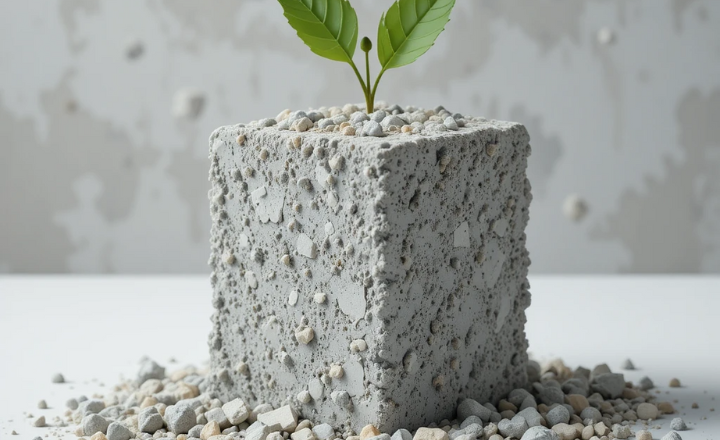
Fly ash, recycled glass, and plastic can be used to make sustainable concrete, which lowers waste materials and the demand for virgin resources. These substances can serve as a partial substitute for cement and aggregates and frequently enhance the durability and compressive and flexural strength of concrete.
Plastic fibers can improve strength and durability, with some studies showing that concrete with high amounts of fly ash and plastic fibers can outperform regular concrete after a certain curing period
Sustainable use of these materials aligns with circular economy principles, reduces carbon footprint, conserves natural resources, and can enhance certain concrete properties when properly engineered.
Fly ash in Concrete
Fly ash is a fine, powdery by-product of coal combustion carried by flue gases and cacaptured by electrostatic precipitators or baghouses. It primarily exists in two spheres: Class F (low CaO, pozzolanic) and Class C (higher CaO, both pozzolanic and cementitious).
Why use fly ash in concrete?
- Pozzolanic reaction: Fly ash reacts with calcium hydroxide to form additional C-S-H gel, improving microstructure.
- Workability and pumpability: Fine particles improve paste flow and reduce heat of hydration in mass concrete.
- Durability: Reduced permeability, improved resistance to sulfate attack and alkali-silica reaction under certain conditions.
- Sustainability: Replaces a portion of Portland cement, reducing embodied energy and CO2 emissions.
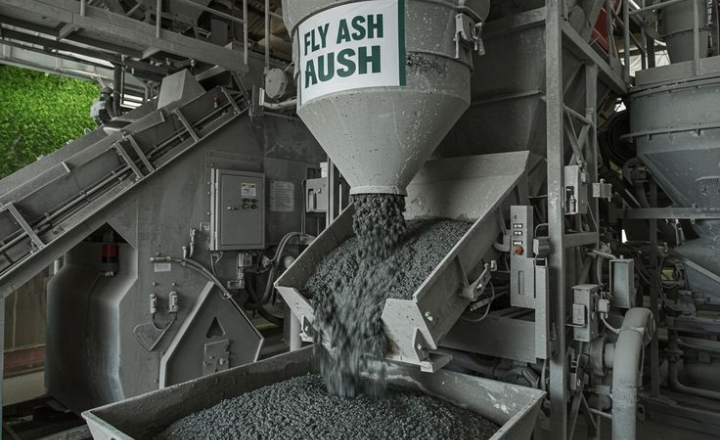
Typical usage and performance
- Replacement levels: Typically 15–35% by mass of cement for many structural concretes; higher percentages are used in certain applications with performance considerations.
- Performance effects: Slump retention for fresh concrete may improve or require admixtures; setting time can be delayed; long-term strength often comparable or superior at optimised replacement levels.
- Strength and durability: Short-term strength may dip slightly, but long-term strength gain is often enhanced. Improved durability against sulfate and alkali-silica reactions with proper mix design.
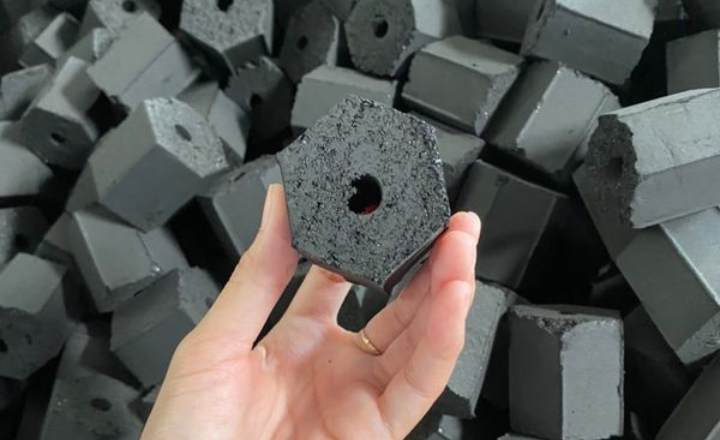
Concrete mix design considerations
Concrete mix design considerations in fly ash include several key factors to ensure the desired strength, workability, durability, and cost-effectiveness of the concrete.
- Cement replacement strategy: Use fly ash as a supplementary cementitious material (SCM) to reduce clinker content.
- Activation: In high-early-strength systems, Class C fly ash or combination with slag can be used.
- Water demand and superplasticizer: Fly ash can modify workability; may require adjustments in superplasticizer dosage.
- Compatibility: Ensure compatibility with aggregates, curing conditions, and exposure environments.
- Sustainability metrics: Life-cycle assessment (LCA) shows significant reductions in embodied energy and CO2 when fly ash replaces cement.
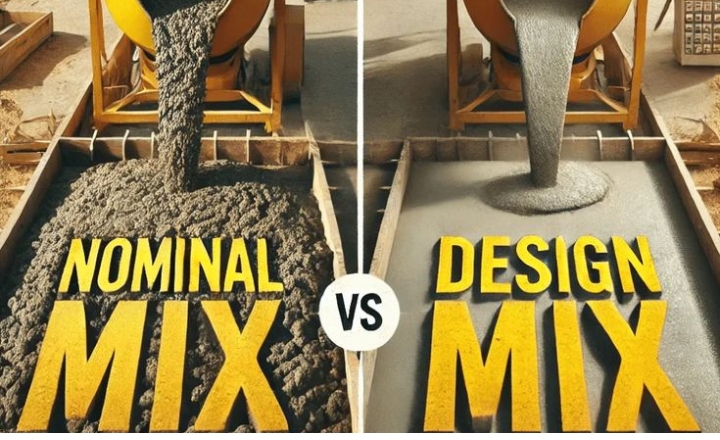
Recycled Plastic in Concrete
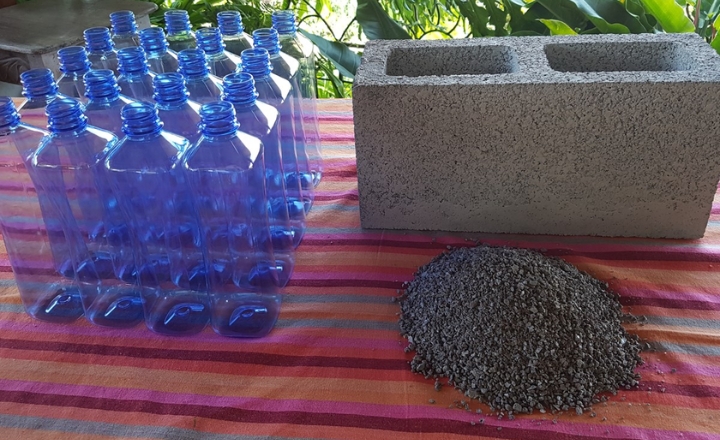
Plastic waste, including PET, HDPE, and ABS, is abundant and problematic to dispose of.
Incorporating shredded or pelletized plastics into concrete can reduce plastic waste, lower density (in certain applications), and potentially enhance specific properties when used as aggregates or fibers.
Modes of use
- Plastic as aggregate substitute: Partial replacement of natural aggregates in concrete, typically in non-structural elements or lighter-weight blocks.
- Plastic as fiber reinforcement: Discrete plastic fibers added to concrete to improve toughness, crack resistance, and post-crack behavior.
- Plastic in cementitious composites: Incorporating plastic waste into cement paste or mortar as micro- or macro-fillers.
Performance considerations and mix design
- Particle size and treatment: Coarser shredded plastic can reduce voids but may blunt strength; coating or surface modification can improve bonding with cement paste.
- Replacement levels: Generally limited to 5–20% for structural applications; higher percentages are often restricted to non-structural elements or where light weight is essential.
- Workability: Plastic aggregates can alter workability; admixtures or pre-soaking treatments may be needed.
- Durability: Water absorption and freeze-thaw performance require evaluation; moisture content and bonding at the interfacial transition zone (ITZ) are critical.
Benefits and limitations
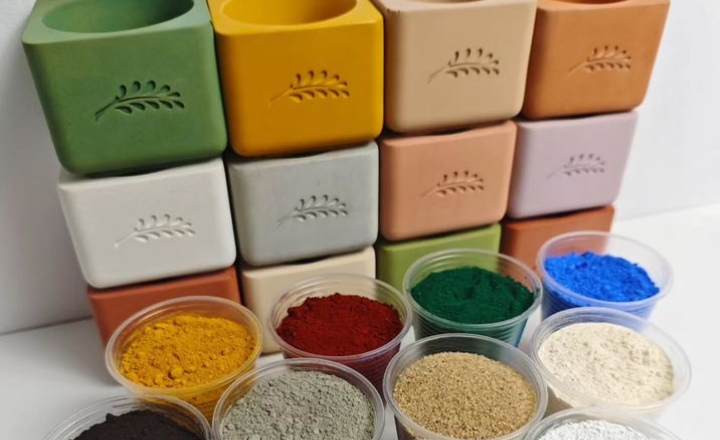
- Benefits: Waste diversion; potential improvement in thermal insulation and specific strength-to-weight ratios; reduced aggregate extraction.
- Limitations: Lower modulus of elasticity and strength compared to conventional aggregates; potential durability concerns (hydrophobicity, moisture absorption); potential leaching of additives; variability in plastic waste streams; code acceptance and standardization challenges.
Recycled Glass in Concrete
Glass aggregate derived from crushed recycled glass tends to have flat, angular grains which can trap air bubbles during mixing and vibration, causing increased voids and reducing concrete strength and durability.
Incorporating recycled glass aggregate up to about 30% by mass of the total aggregate is generally recommended to maintain adequate concrete properties. Higher ratios tend to reduce concrete quality due to issues with aggregate shape and air void formation.
Modes of use
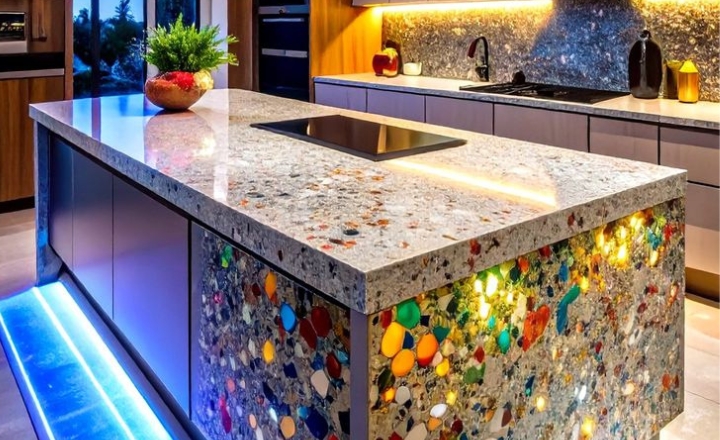
- Fine aggregate replacement: CG as a replacement for natural sand in mortar or concrete, often with particle size optimization to control alkali-silica reaction (ASR) risk.
- Coarse aggregate replacement: Partial substitution of gravel/stone with crushed glass, typically in non-structural elements due to concerns about strength and durability.
- Ground glass as pozzolanic additive: Ground-glass powder can substitute part of cement in ternary blends, similar to fly ash or silica fume in some formulations.
Mix design and durability considerations
- ASR mitigation: Use of low-alkali cement, reactive silica content analysis, proper particle grading, and supplementary cementitious materials to suppress ASR.
- Curing and finishing: Glass-containing concretes may require careful curing to prevent cracking and ensure ITZ integrity.
- Environmental impact: Recycling glass reduces sand quarrying and landfill waste, with mixed impacts depending on processing energy.
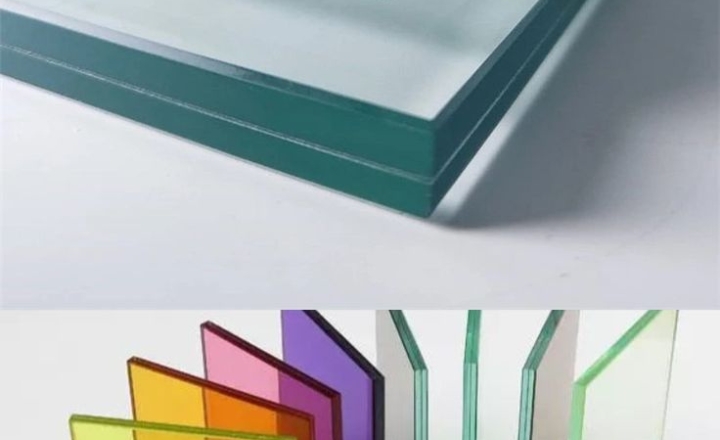
- Waste diversion: Reduces landfill use and environmental contamination risk.
- Resource conservation: Lowers extraction of natural aggregates and cement clinker.
- Emissions: Replacing cement with fly ash or other SCMs can reduce embodied CO2; energy intensity of processing plastics and glass varies but can still be favorable when wastes are valorized.
Benefits and challenges
- Benefits: Waste diversion; potential reduction in cost where glass is abundant; improved aesthetic possibilities (glass-enhanced concretes).
- Challenges: ASR risk if reactive silica is present; binder-aggregate bonding concerns; varying quality and contamination of cullet; color and appearance considerations; regulatory acceptance.
Economic considerations in Waste Materials
- Material costs: Fly ash is often low-cost or even a credit; plastics and glass can reduce material costs if locally available, but processing and quality control add expenses.
- Life-cycle costs: Potential savings from improved durability, reduced maintenance, and longer service life can outweigh initial costs.
Social and regulatory aspects
- Standards and codes: Acceptance depends on local construction codes and standards; need for consistent testing and performance criteria.
- Public perception: Aesthetics and performance concerns may affect adoption; education and demonstration projects help.
- Fly ash: Sourcing from power plants; transport to batching facilities; storage and quality testing (chemical composition, fineness).
- Plastic: Sorting, cleaning, shredding, pelletizing, and potential surface treatment; moisture control.
- Glass: Collection, cleaning, crushing, and possibly grinding to achieve desired particle sizes; ASR mitigation measures.
Conclusion
Sustainable concrete incorporating fly ash, recycled plastics, and crushed glass offers a promising pathway to reduce environmental impacts, conserve natural resources, and support a circular economy in construction. While each material presents unique benefits and challenges, careful mix design, quality control, and adherence to standards can unlock durable, cost effective, and eco-friendly concrete solutions.
Ongoing collaboration among researchers, industry practitioners,policymakers, and communities will be essential to mainstream these approaches and realize their full potential.