
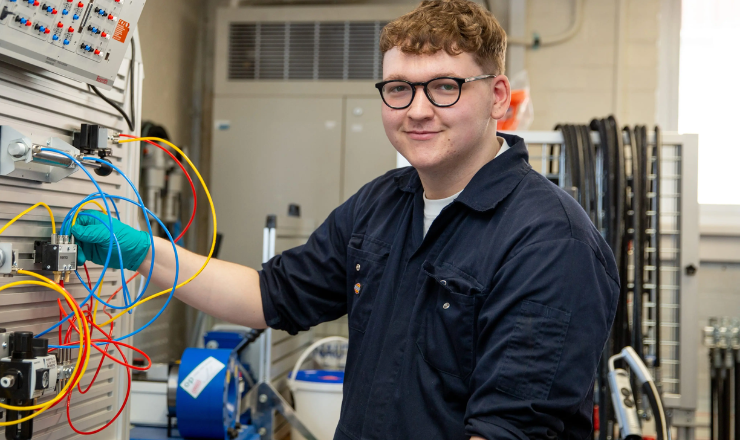
What is mechanical engineering?
Mechanical Engineering is the branch of engineering that focuses on the design, analysis, manufacturing, and maintenance of mechanical systems. It is one of the broadest engineering disciplines, intersecting with various industries such as automotive, aerospace, energy, robotics, and manufacturing.
- Design and Invent: Picture yourself designing a revolutionary engine, a life-saving medical device, or even a robot that can explore Mars. You’ll use CAD software, simulations, and hands-on prototyping to bring your ideas to life.
- Test and Analyze: Before anything goes into production, it needs rigorous testing. As a mechanical engineer, you’ll be the one ensuring that designs are safe, reliable, and perform exactly as intended using state of the art tools and techniques.
- Make it Happen: Mechanical engineers are central to the manufacturing process, streamlining production lines and making sure everything runs smoothly and efficiently.
- Push the Limits: Ever want to be at the forefront of innovation? A career in research and development will let you explore cutting-edge materials and develop new technologies that change the world.

Types of Mechanical Engineers
Mechanical engineering is a diverse field, and within it, there are various specialized areas or types of mechanical engineers. Some of the common types of mechanical engineers include:
- Automotive Engineer: Focuses on designing, developing, and improving automotive systems and components. This includes engines, transmissions, chassis, and vehicle dynamics
- Aerospace Engineer: Works on the design, development, and testing of aircraft and spacecraft. Aerospace engineers are involved in propulsion systems, aerodynamics, materials, and structural design for aerospace applications.
- Biomechanical Engineer: Applies mechanical engineering principles to biological systems, working on the design of medical devices, prosthetics, and orthopedic implants.
- Control Engineer: Designs and implements control systems for mechanical systems, with applications in automation, robotics, and mechatronics.
- Energy Systems Engineer: Works on the design and optimization of energy systems, including renewable energy technologies, power generation, and energy storage solutions.
- Fluid Mechanics Engineer: Works on systems involving fluid dynamics, such as pumps, pipelines, and hydraulic systems, designing and analyzing fluid flow for various applications.
- HVAC (Heating, Ventilation, and Air Conditioning) Engineer: Specializes in designing HVAC systems for buildings, aiming to create comfortable and energy-efficient indoor environments.
- Manufacturing Engineer: Concentrates on optimizing manufacturing processes for efficient and cost-effective production. Tasks include process improvement, quality control, and production planning.
- Materials Engineer: Focuses on the selection and development of materials for various applications, working on improving material performance, durability, and sustainability.
- Mechanical Design Engineer: Focuses on designing mechanical components, systems, and products using CAD software to meet functional requirements and manufacturability.
- Mechatronics Engineer: Works on the development of robotic systems, automated manufacturing processes, and smart devices that combine mechanical components and electronic control systems.
- Nuclear Engineer: Focuses on the design and maintenance of nuclear systems, including nuclear power plants, working on reactor design, safety protocols, and radiation protection.
- Packaging Engineer: Designs and optimizes packaging materials and containers to protect products during transportation, storage, and distribution.
- Piping Engineer: Focuses on the design and layout of piping systems used in industrial plants, power plants, and other facilities, ensuring efficient and safe fluid transport.
- Robotics Engineer: Specializes in the design, development, and maintenance of robotic systems. Robotics engineers may work on industrial robots, autonomous vehicles, and robotic prosthetics.
- Structural Engineer: Concentrates on the design and analysis of structures to ensure they can withstand loads and environmental conditions. Structural engineers work on buildings, bridges, and infrastructure projects.
- Thermal and Fluids Engineer: Specializes in studying heat transfer, thermodynamics, and fluid mechanics to design systems such as thermal power plants, heat exchangers, and fluid control systems.
- Thermal Systems Engineer: Specializes in designing and analyzing thermal and energy systems, including HVAC systems, heat exchangers, and energy-efficient technologies.
Why study mechanical engineering?
Mechanical engineering is an exciting subject that can lead to many opportunities. Working professionals in this field often enjoy getting to work closely with new technologies in a wide range of roles. Here are some of the reasons why you should study mechanical engineering:
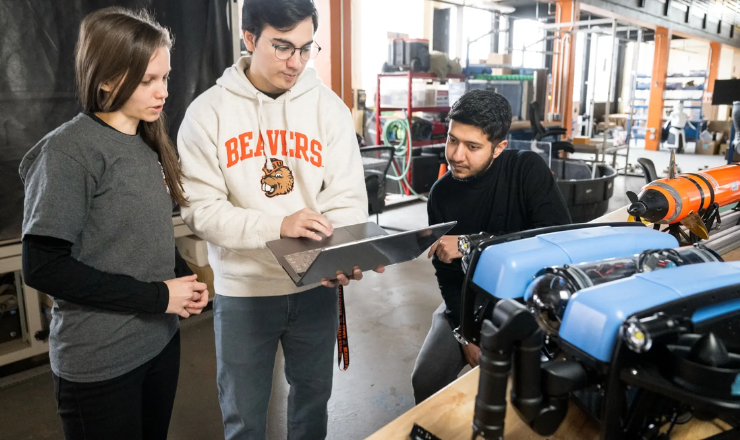
Strong foundation in engineering principles
You will learn important subjects like thermodynamics, fluid mechanics and materials science. These help you understand how to design and improve machines, engines, and tools that make life easier and more efficient.
Wide range of career opportunities
One of the biggest benefits of studying mechanical engineering is the wealth of career opportunities available. Mechanical engineers can work in areas such as automotive, aerospace, robotics and more.
Hands-on learning & problem solving
While studying mechanical engineering, you will focus on more than just scientific theory, you will also gain real world skills through hands-on learning. By working on projects, you will develop skills like problem solving and analytical thinking.
Technological advancements & innovation
Mechanical engineers play a big role in developing new technology like self-driving cars, clean energy systems and advanced medical devices. If you want to better the future of society, mechanical engineering is the perfect field for you.
Benefits of studying mechanical engineering
Some of the top benefits of studying mechanical engineering include:
Job stability & high earning potential
Mechanical engineers are in high demand around the world and they often earn good salaries with strong job security.
Career flexibility
You can work in many different industries, such as automotive, aerospace, energy, manufacturing, robotics and healthcare.
Development of transferable skills
You will gain valuable skills like problem-solving, critical thinking and teamwork, which can be applied to endless roles and opportunities.
Continuous learning & growth
Engineering is a sector that is always evolving. You will keep learning new technologies and have many chances to grow in your career.
Collaborative work environment
Mechanical engineers often work in teams, so you will be able to work with others on projects that will better the future of society.
Why choose mechanical engineering as a career option?
Still wondering why choose mechanical engineering? We have even more reasons why mechanical engineering is a smart choice for your future.
Versatility & diversity of roles
Mechanical engineers can work in robotics, renewable energy, transportation, healthcare, and more. You can specialise in design, research, testing, or leadership roles – the choice is yours.
Innovative problem solving
Mechanical engineering gives you the tools to solve real problems. You’ll work on projects that improve technology and help people, from smarter vehicles to cleaner energy.
High salary & job security
A career in mechanical engineering can open the door to competitive salaries and strong job security as mechanical engineers are crucial in many sectors. In these roles you can enjoy stable jobs with chances to grow into senior or specialist roles.
Cutting-edge technologies
As a mechanical engineer, you will work with exciting new technologies like AI, 3D printing, robotics and green energy systems. With constantly evolving technology, working in mechanical engineering will keep you at the front of innovation.
Global opportunities
Mechanical engineers are needed everywhere. This gives you the chance to work in different countries, join international companies, or take part in global projects.
With so many exciting paths and opportunities, it’s easy to see why mechanical engineering is important, and why studying mechanical engineering can lead to a bright, successful future.
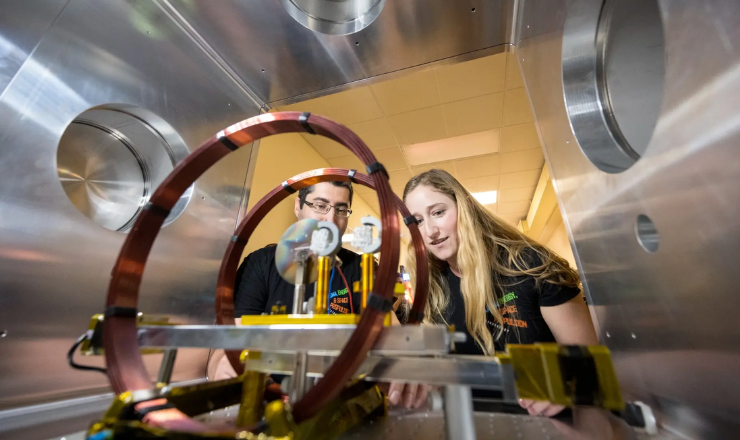
What Tasks Do Mechanical Engineers Do?
Careers in mechanical engineering call for a variety of tasks.
- Conceptual design
- Analysis
- Presentations and report writing
- Multidisciplinary teamwork
- Concurrent engineering
- Benchmarking the competition
- Project management
- Prototyping
- Testing
- Measurements
- Data interpretation
- Developmental design
- Research
- Analysis (FEA and CFD)
- Working with suppliers
- Sales
- Consulting
- Customer service
The Future of Mechanical Engineering
As we look ahead to the next decade, mechanical engineering stands at the forefront of innovation. The integration of artificial intelligence (AI), machine learning, and automation into traditional mechanical processes is reshaping the industry. Mechanical engineers will not only design and build machines but also develop systems that can learn and adapt over time. This shift necessitates a new skill set that combines mechanical knowledge with software proficiency.
Key Trends Shaping the Future
- Sustainability: With climate change becoming a pressing issue, mechanical engineers will play a crucial role in developing sustainable technologies, such as energy-efficient systems and renewable energy solutions.
- Automation and Robotics: The rise of Industry 4.0 means that mechanical engineers will increasingly work with robots and automated systems, requiring expertise in robotics and control systems.
- Smart Manufacturing: The Internet of Things (IoT) is revolutionizing manufacturing processes. Engineers will need to understand how to integrate smart technologies into traditional manufacturing systems.
What’s Driving Demand?
Several factors are contributing to the growing demand for mechanical engineers in India:
- Industrial Growth: As India aims to become a $5 trillion economy by 2025, sectors like manufacturing and construction are expanding rapidly.
- Government Initiatives: Programs such as “Make in India” and “Skill India” are designed to boost manufacturing capabilities and create jobs.
- Technological Advancements: The push for innovation in fields like electric vehicles (EVs) and renewable energy is creating new opportunities for mechanical engineers.
What About Less Experienced Engineers?
While experienced engineers are highly sought after, there is also a significant demand for fresh graduates. Companies are increasingly willing to invest in training young engineers who show potential. Internships, co-op programs, and industry collaborations are becoming more common, providing students with valuable hands-on experience before they graduate.
The STEM Shortage
Despite the high demand for mechanical engineers, there is a notable shortage of qualified professionals in STEM (Science, Technology, Engineering, Mathematics) fields. Reports indicate that by 2025, India could face a shortfall of 1 million STEM professionals. This gap presents an opportunity for aspiring engineers to secure lucrative positions in various industries.
Mechanical Engineers Aren’t Going Anywhere
The role of mechanical engineers is not only secure but also evolving. As industries adapt to new technologies and challenges, mechanical engineers will continue to be integral players in driving innovation. Their expertise will be essential in sectors such as:
- Automotive: Development of electric vehicles and autonomous driving technology.
- Aerospace: Innovations in aircraft design and manufacturing processes.
- Renewable Energy: Designing efficient systems for harnessing solar, wind, and other renewable resources.
Future-Proof Your Career at SGT University
To thrive in this dynamic environment, aspiring mechanical engineers must equip themselves with the right skills and knowledge. SGT University offers comprehensive programs designed to prepare students for the future.
SGT University
Located in Gurugram, SGT University is recognized as one of India’s leading institutions for engineering education. With state-of-the-art facilities and experienced faculty members, students receive a well-rounded education that combines theoretical knowledge with practical application.
School of Engineering & Technology at SGT University
The School of Engineering & Technology at SGT University is committed to fostering innovation and research among its students. The curriculum is regularly updated to reflect industry trends, ensuring that graduates are well-prepared for their careers.
Mechanical Engineering Courses
BTech Mechanical Engineering Course
The BTech program in Mechanical Engineering spans four years and covers essential subjects such as:
- Engineering Mechanics
- Thermodynamics
- Fluid Mechanics
- Material Science
- Manufacturing Processes
- Computer-Aided Design (CAD)
Students can specialize in areas like Robotics, Electric Vehicles, or Digital Manufacturing.
MTech Mechanical Engineering Course
The MTech program provides advanced knowledge over two years with subjects including:
- Advanced Fluid Mechanics
- Finite Element Analysis
- Vibration Analysis
- Computer Integrated Manufacturing Systems
This program prepares graduates for higher-level positions within the industry.
PhD Mechanical Engineering Program
For those looking to delve deeper into research, SGT University offers a PhD program focusing on innovative topics within mechanical engineering. This program emphasizes rigorous research methodologies and provides opportunities for collaboration with industry leaders.
Why Choose SGT University for Mechanical Engineering Courses?
- Accreditation: SGT University holds an A+ rating from NAAC, ensuring high educational standards.
- Industry Connections: Strong ties with top companies facilitate internships and job placements.
- Research Opportunities: Students have access to funding for innovative projects.
- Experienced Faculty: The faculty comprises industry veterans who bring real-world experience into the classroom.
- Modern Facilities: State-of-the-art laboratories support hands-on learning.
Conclusion
The future of mechanical engineering in India is bright and full of potential. As industries evolve and new technologies emerge, the demand for skilled mechanical engineers will only increase. By choosing SGT University’s comprehensive programs in Mechanical Engineering, students can equip themselves with the necessary skills to thrive in this dynamic field. Whether you’re just starting your journey or looking to advance your career through higher education, SGT University offers the resources and support needed to succeed in an ever-changing landscape.