
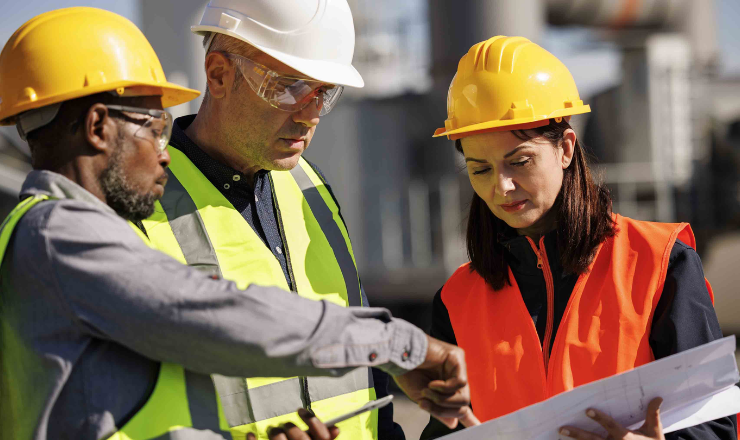
The Institute of Industrial and Systems Engineers (IISE) defines it as the design, improvement, and installation of such systems, drawing on math, physical sciences, social sciences, and engineering analysis. Merriam-Webster describes it as engineering dealing with the design, improvement, and installation of integrated systems in industry.
Industrial engineering drives efficiency and innovation by optimizing systems across industries. Its importance lies in reducing waste, boosting productivity, and enabling sustainable operations.
What does an Industrial Engineer do?
Industrial engineering plays a pivotal role in global economies by optimizing systems for efficiency, sustainability, and innovation. Its worldwide importance stems from addressing complex challenges like resource scarcity, supply chain disruptions, and environmental pressures through data-driven methodologies.
Economic Contributions
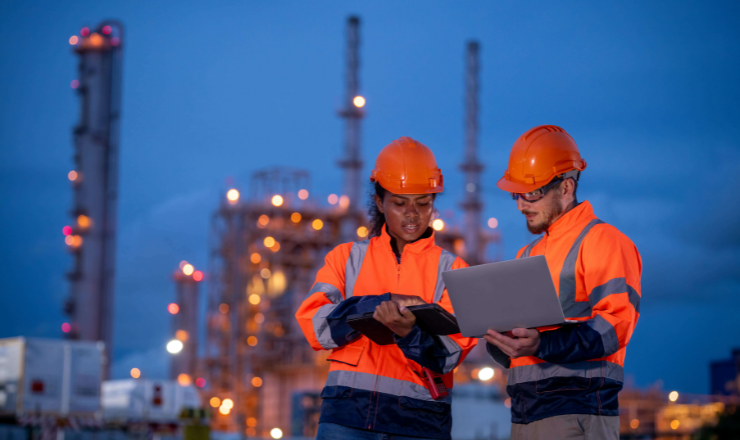
Globally, industrial engineering underpins manufacturing, which accounts for about 16% of world GDP and drives job creation across demographics. It enhances productivity via automation, AI integration, and lean processes, fostering economic growth in developing nations and stabilizing supply chains amid geopolitical tensions.
Engineers optimize global trade networks, reducing costs and enabling resilience, as seen in automotive assembly lines and energy distribution systems.
Sustainability and Global Challenges
Industrial engineering aligns with UN Sustainable Development Goals (SDGs), particularly SDG 9 (industry, innovation, infrastructure), by minimizing waste in production, supply chains, and resource use.
Techniques like process simulation and resource efficiency cut environmental impact, promote circular economies, and tackle issues like climate change and water scarcity worldwide. In energy sectors, it improves power plant output and smart grid reliability, supporting transitions to renewables.
Industry-Wide Applications
Applied universally, it streamlines healthcare (patient flow optimization), logistics (inventory reduction), retail (store layouts), and aerospace (quality control). In services and IT, it boosts system reliability; in emerging tech like Industry 4.0, it integrates IoT and big data for adaptive operations.
This versatility ensures relevance in diverse economies, from high-tech hubs to resource-limited regions.
Future Relevance
With exponential tech growth, industrial engineering evolves to incorporate AI, systems thinking, and human factors for resilient, ethical solutions. It positions professionals to solve pressing issues in health, environment, and equity, making it essential for 21st-century global progress.
Where do Industrial Engineers Work?
Industrial engineers work in diverse sectors worldwide, optimizing processes for efficiency, safety, and productivity. They are employed across manufacturing, services, and emerging tech, with roles varying from process design to management.
Manufacturing Plants
Industrial engineers in manufacturing plants design factory layouts, streamline assembly lines, and implement lean principles to minimize waste and maximize output.
They analyze production data, integrate automation like robotics, and ensure quality control through Six Sigma methodologies. Globally, this sector employs the most IEs, from automotive giants like Toyota to electronics firms like Samsung, driving cost reductions and scalability in high-volume environments.
Healthcare Facilities
In hospitals and clinics, they optimize patient flows, reduce wait times, and improve resource allocation for beds, staff, and equipment.
Using simulation modeling, they design emergency departments and surgical schedules to enhance care quality while cutting operational costs. This is critical in aging populations worldwide, as seen in systems like the UK’s NHS or U.S. networks, where IEs boost throughput without expanding infrastructure.
Logistics and Supply Chains
Logistics firms hire IEs to optimize warehouses, transportation routes, and inventory systems using algorithms and IoT tracking.
They manage global distribution for companies like Amazon or DHL, forecasting demand, reducing shipping delays, and integrating AI for predictive analytics. Amid disruptions like pandemics, their work ensures resilient supply chains, vital for e-commerce growth in regions from Asia to Europe.
Aerospace Industry
Aerospace companies, such as Boeing or Airbus, rely on IEs for aircraft assembly optimization, parts inventory, and maintenance scheduling.
They apply reliability engineering to minimize downtime and ensure safety compliance, often using digital twins for simulation. With the sector’s precision demands, IEs contribute to cost-effective production of jets and satellites worldwide.
Automotive Sector
In auto manufacturing, IEs design just-in-time production systems, ergonomic workstations, and quality testing protocols for firms like Ford or Tesla.
They tackle electric vehicle transitions by optimizing battery assembly lines and supply chains for rare materials. This field dominates IE employment in countries like Germany and Japan, fueling economic output through efficient mass production.
Pharmaceuticals
Pharma plants use IEs to validate cleanroom processes, scale drug production, and comply with FDA/EMA regulations via process capability analysis.
They streamline R&D pipelines and packaging lines to accelerate market delivery, as in Pfizer or Novartis operations. Globally, this supports healthcare access by balancing speed, sterility, and cost in vaccine or generic drug manufacturing.
Transportation Networks
Airports, railways, and ports employ IEs to model traffic flows, schedule operations, and enhance safety with data analytics.
For example, they optimize runway usage at hubs like Dubai International or freight at U.S. railroads. Their simulations predict bottlenecks, reducing delays and emissions in interconnected global transit systems.
Consulting Firms
Management consultancies like McKinsey or Accenture hire IEs to audit client operations, recommend digital transformations, and implement ERP systems.
They work across industries, using benchmarking to drive multimillion-dollar savings. This versatile role suits global travel, advising on mergers or tech adoptions from Silicon Valley to Shanghai.
Government Agencies
Public sector roles involve infrastructure planning, defense logistics, and policy analysis for efficiency, such as in the U.S. DoD or EU transport ministries.
IEs optimize military supply chains or urban planning, applying operations research to public budgets. In developing nations like Pakistan, they support industrial policy and disaster response logistics.
Finance and Banking
Banks employ IEs for process reengineering in transaction processing, risk modeling, and branch layouts to cut fraud and speed services.
They use queuing theory for ATM networks and fintech integrations, as at JPMorgan or HSBC. This sector values their blend of analytics and business acumen for digital banking expansions worldwide.
Retail and E-Commerce
Retail giants like Walmart or Alibaba use IEs for store layouts, demand forecasting, and omnichannel fulfillment centers.
They optimize shelf stocking, delivery routing, and returns handling with AI-driven simulations. Amid online shopping booms, their work scales operations to handle peak demands globally.
Energy and Utilities
Power plants and oil firms hire IEs to enhance grid reliability, refinery throughput, and renewable integrations like solar farms.
They model energy distribution and maintenance schedules to minimize outages, crucial for transitions in Europe and the Middle East. Sustainability focus includes waste-to-energy optimizations.
Technology and IT
Tech companies like Google or Microsoft engage IEs in data center efficiency, software deployment pipelines, and cloud scalability. They apply systems engineering to server farms and user experience flows, ensuring high availability in global networks. This growing area merges IE with AI for operations in Silicon Valley hubs.
Construction Projects
Construction firms use IEs for site planning, resource scheduling, and BIM integration to avoid delays and overruns.
They optimize crane usage and material flows on megaprojects like skyscrapers in Dubai or infrastructure in China. Relevant to civil engineering overlaps, it ensures on-budget delivery amid labor shortages.
Education and Research
Universities and labs employ IEs as faculty, researchers, or administrators to develop curricula, simulate innovations, and manage campus operations.
They advance fields like Industry 4.0 through grants and publications, training future talent globally from MIT to Asian institutes.
Will Industrial Engineering be Automated?
Industrial engineering is very unlikely to be automated. Analysis from a series of employment websites has determined that there is just a 3% chance of industrial engineering being automated in the future. This is due to the range and type of activities undertaken by industrial engineers.
No, industrial engineering will not be fully automated due to its reliance on human creativity, strategic decision-making, and interdisciplinary problem-solving. AI and automation will transform routine tasks but augment engineers, making them essential for overseeing complex systems.
AI Augments Routine Tasks
AI automates data analysis, simulations, and basic optimizations like scheduling, freeing engineers for higher-level design. Tools like machine learning predict failures via sensor data, but humans interpret nuanced contexts and ethical implications. This shift enhances productivity without replacing core expertise.
Human Oversight Essential
Complex problem-solving, such as customizing systems for unique regulations or cultural factors, requires human judgment that AI lacks. Engineers validate AI outputs, handle edge cases, and integrate stakeholder needs in dynamic environments like global supply chains. Full automation risks errors in unpredictable scenarios.
Evolving Role in Industry 4.0
Industrial engineers lead AI integration in smart factories, using IoT and robotics for adaptive processes. They design hybrid human-machine workflows, ensuring scalability and ROI, as seen in predictive maintenance revolutions. Their skills evolve to include AI literacy, securing demand.
Low Automation Risk
Studies rank industrial engineering low on automation scales (e.g., #104/702 jobs), due to its blend of technical, social, and managerial elements. Visitors and models predict minimal replacement, emphasizing adaptability over obsolescence.
Strategic Decision-Making
Engineers make high-stakes choices on investments, sustainability, and innovation that demand foresight and ethics beyond algorithms. AI provides data, but humans weigh trade-offs like cost vs. environmental impact in global projects.
Creativity and Innovation
Novel solutions for emerging challenges—like sustainable manufacturing or pandemic-resilient logistics—rely on creative synthesis AI can’t replicate. Engineers pioneer tech like digital twins, driving future advancements.
Interdisciplinary Integration
Bridging engineering, business, and human factors requires holistic thinking; AI excels in silos but not synthesis. IEs coordinate teams and negotiate changes, vital in collaborative global industries.
Adaptability to Change
Rapid tech shifts (e.g., 5G, edge computing) position engineers as adapters, learning and deploying tools proactively. Forums note IEs will thrive by mastering AI, not fearing it.
Ethical and Regulatory Needs
Navigating compliance, bias in AI, and worker welfare demands human accountability. Engineers ensure equitable, safe implementations worldwide.
Future Growth Opportunities
Demand surges for IEs skilled in AI-driven automation, with roles expanding into consulting and R&D. Projections show robust job growth as industries automate under expert guidance.
Is Industrial Engineering Still in Demand?
Yes, industrial engineering remains in high demand globally, with strong job growth projected at 11% through 2034 due to needs in manufacturing, automation, and efficiency optimization.
Specialized subfields amplify this demand amid AI, sustainability, and supply chain pressures.
Behavioural Economics
Industrial engineers apply behavioural economics to design systems accounting for human decision-making biases, improving compliance in safety protocols and productivity incentives.
This field analyzes worker motivations via nudges and gamification, boosting adoption of lean processes in factories worldwide. Demand surges as firms tackle post-pandemic behavioral shifts in hybrid workforces.
Energy Engineering and Management
IEs optimize energy systems for renewables, grid efficiency, and carbon reduction, managing transitions in solar farms or power plants.
They model consumption patterns and integrate storage tech, critical for net-zero goals in Europe and Asia. High demand stems from global energy crises and clean tech investments.
Facilities Engineering
Focuses on designing and maintaining efficient buildings, campuses, or plants with HVAC, lighting, and space utilization analytics.
Engineers use BIM and IoT for predictive maintenance, cutting costs in commercial real estate and hospitals. Growth ties to infrastructure booms and data center expansions.
Financial Engineering
Involves risk modeling, algorithmic trading optimization, and portfolio processes using stochastic methods from IE toolkits.
Engineers streamline banking operations and fintech scalability, blending ops research with finance. Demand rises with digital banking and regulatory complexities in global markets.
Human Factors and Safety Engineering
Designs ergonomic workplaces and safety systems to prevent injuries, using simulation for hazard analysis in aviation or oil rigs. This subfield enhances usability in robotics interfaces and VR training. Essential amid labor shortages, it drives demand in high-risk industries like mining and logistics.
Information Systems Engineering and Management
IEs architect IT infrastructures, ERP implementations, and cybersecurity workflows for seamless data flow in enterprises.
They optimize cloud migrations and big data pipelines, vital for Industry 4.0. Explosive growth from AI integration and digital transformation initiatives worldwide.
Manufacturing Engineering
Core to IE, it streamlines production lines with automation, robotics, and quality control for semiconductors or EVs. Engineers implement just-in-time and flexible manufacturing amid reshoring trends. Top demand sector due to CHIPS Act and manufacturing revitalization.
Methods Engineering
Develops standardized work procedures, time-motion studies, and process mapping to eliminate inefficiencies. Used in assembly optimization and workflow digitization across retail and pharma.
Steady demand as firms pursue continuous improvement via Kaizen and Six Sigma.
Operations Engineering, Management and Optimisation
Oversees end-to-end operations with simulation, queuing theory, and AI forecasting for service and production systems. Critical for scaling e-commerce and hospitals. High demand from talent shortages and need for resilient ops in volatile economies.
Organisation Development and Change Management
Guides cultural shifts, training programs, and tech adoptions during mergers or digital upgrades. IEs use OD models to align teams with lean transformations. Growing need as companies navigate AI disruptions and remote work evolutions.
Policy Planning
Applies systems analysis to public policy, infrastructure budgeting, and defense logistics for governments. Involves cost-benefit modeling for urban planning or disaster response. Demand rises with infrastructure bills and sustainability policies globally.
Production Engineering
Plans capacity, tooling, and scaling for high-volume output in consumer goods or aerospace. Integrates CAD/CAM with supply planning. Booming with semiconductor resurgence and EV production ramps.
For a detailed understanding of aerospace engineering functions and responsibilities, you can explore this comprehensive guide published by PrimeBuild Engineering: https://primebuildengineering.it.com/aerospace-engineering-functions/
Quality and Reliability Engineering
Ensures defect-free products via statistical process control, FMEA, and reliability testing for electronics or pharma. Meets ISO standards and predicts failures. Indispensable in regulated industries amid quality scandals and recalls.
Supply Chain Management and Logistics
Optimizes global networks with blockchain, predictive analytics, and drone routing for resilience against disruptions. Key for Amazon-scale ops and trade wars. Massive demand from e-commerce growth and nearshoring.
Systems Engineering, Simulation and Analysis
Models complex systems such as smart cities and aircraft using discrete-event simulation and digital twins. Supports R&D in defense and transport. Thriving with AI tools accelerating scenario testing worldwide.
What does the Future Look Like?
The future of industrial engineering looks promising, with growth fueled by AI, sustainability demands, and complex global systems. Engineers will pivot to strategic roles integrating tech and human factors for resilient operations.
AI and Machine Learning Integration
Industrial engineers will increasingly use AI for predictive analytics, automating routine optimizations while focusing on algorithm design and validation.
This enhances real-time decision-making in smart factories, reducing downtime by up to 50% through tools like digital twins. Demand for AI-literate IEs will surge in Industry 5.0, blending human intuition with machine precision.
Sustainability and Green Engineering
A core future focus involves circular economies, zero-waste processes, and carbon-neutral supply chains to meet global net-zero targets by 2050.
Engineers will model renewable integrations and lifecycle assessments, vital for sectors like energy and manufacturing amid regulations like EU Green Deal. This shift creates jobs in eco-optimization worldwide.
Industry 4.0 and Smart Manufacturing
Expect widespread adoption of IoT, robotics, and edge computing for adaptive production lines, with IEs orchestrating cyber-physical systems. Reshoring and flexible factories will boom, especially in semiconductors and EVs, requiring expertise in scalable automation. Engineers will lead transitions, boosting efficiency in volatile markets.
Supply Chain Resilience
Post-pandemic, future IEs will design antifragile networks using blockchain and AI forecasting to counter disruptions from geopolitics or climate events. Nearshoring trends in Asia and Americas will demand logistics experts for diversified sourcing. This ensures continuity for e-commerce giants and critical goods.
Data-Driven Decision Making
Big data and analytics will dominate, with engineers building dashboards for real-time ops insights across healthcare to logistics.
Skills in Python, simulation software like Arena, and VR for training will be standard. This empowers proactive strategies, cutting costs and enhancing competitiveness globally.
Human-Machine Collaboration
Cobots and augmented reality will redefine workplaces, where IEs optimize hybrid teams via ergonomics and behavioral models. Focus on upskilling workers for AI oversight ensures safety and productivity. Future roles emphasize ethical AI deployment in diverse cultural contexts.
Healthcare and Service Optimization
IEs will transform hospitals with AI triage, personalized care flows, and telemedicine scalability amid aging populations.
Telehealth and biotech manufacturing will grow, applying queuing theory to reduce wait times by 30%. Demand spikes in universal healthcare systems worldwide.
Emerging Tech like Digital Twins
Virtual replicas of assets will enable scenario testing for aerospace and construction, with IEs refining simulations for accuracy. Coupled with 5G and metaverse training, this accelerates innovation while minimizing physical trials. High growth in R&D-heavy industries.
Global Talent and Remote Work
Hybrid models will persist, with IEs consulting virtually across borders via cloud platforms. Upskilling in cybersecurity and remote ops will be key, addressing talent shortages in developing economies like Pakistan. Freelance and gig roles in optimization consulting will expand.
Leadership and Interdisciplinary Roles
IEs will rise to C-suite positions like COO or VP of Operations, leveraging systems thinking for enterprise strategy.
Blending IE with business, policy, and ethics prepares them for challenges like urban mobility or space logistics. Job growth outpaces average at 11%, with premium salaries.
Conclusion
Industrial engineering optimizes systems for efficiency, remains in high demand amid AI and sustainability shifts, and offers versatile careers across manufacturing, healthcare, logistics, and aerospace ideal for your civil/aerospace background.
Future-proof roles evolve with Industry 5.0, blending human factors, digital twins, and supply chain resilience for global challenges like net-zero goals.
Pursue Six Sigma or BIM certifications to integrate IE with construction tech, enhancing structural design workflows in Pakistan’s infrastructure boom.