
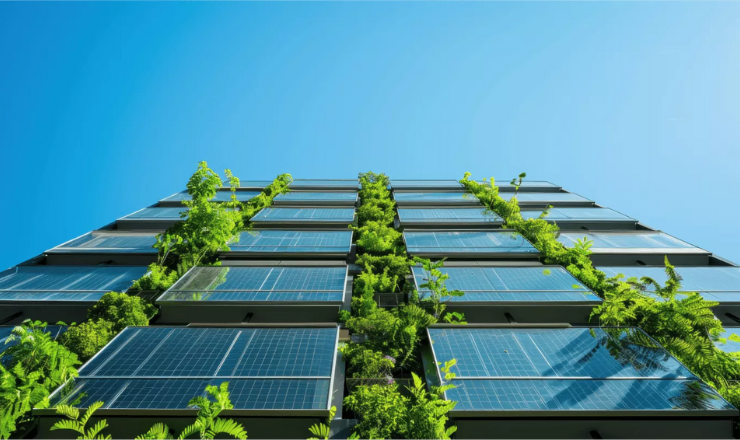
Green buildings are designed to minimize environmental impact, enhance energy efficiency, and foster healthier living spaces. Today, buildings account for nearly 40% of global energy consumption and contribute significantly to carbon emissions.
To address this, engineers and architects focus on Green Building Design, which uses smart technologies, renewable energy sources, sustainable materials, and efficient building methods. These buildings minimize resource consumption, reduce energy bills, and provide a comfortable indoor environment while protecting the planet.
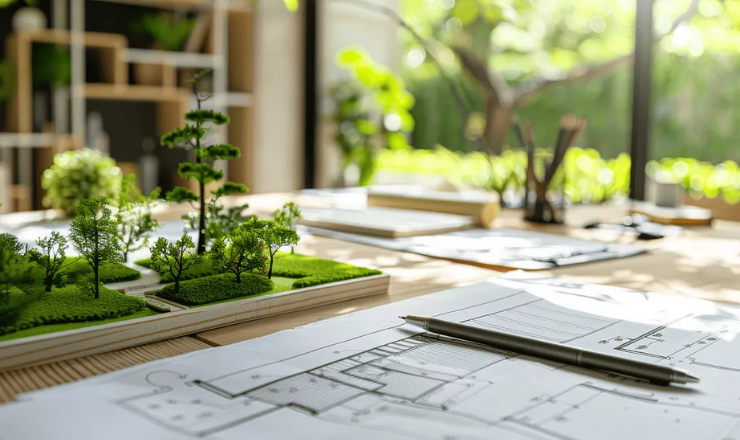
What Is a Green Building?
A green building is a sustainable structure that uses environmentally friendly materials, energy-efficient technologies, and advanced design strategies to reduce energy use, water consumption, and overall pollution. These buildings focus on recycling, renewable energy, ventilation, and natural lighting to achieve long-term sustainability.
Working Principle of a Green Building
Green building is a modern construction approach that aims to reduce harm to the environment while creating healthy, comfortable, and energy-efficient spaces for people to live and work. Instead of relying heavily on natural resources, it promotes their responsible and efficient use.
By lowering energy consumption, conserving water, and using eco-friendly materials, green buildings help reduce pollution and environmental degradation.
This approach also considers the entire life cycle of a building from design and construction to operation and maintenance.
The goal is not only to build structures, but to create sustainable environments that support both human well-being and the planet. The following five principles represent the core foundation of green building practices adopted worldwide and guide the future of sustainable development.
1. Energy efficiency
Energy efficiency is one of the most important principles of green building. It focuses on reducing the amount of energy a building uses while still providing comfort and functionality.
Green buildings achieve this by using smart design, natural lighting, proper insulation, and energy-efficient appliances.
- Proper building orientation
- Roof overhangs
- High-performance insulation
- Double or triple-glazed windows
- Air-tight construction
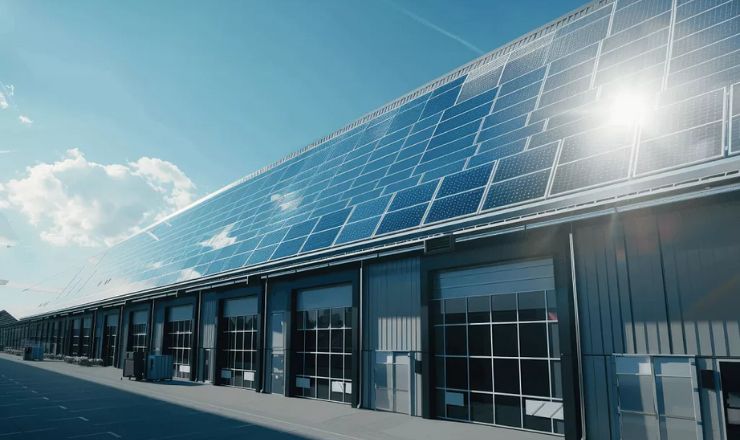
Renewable energy sources such as solar panels and wind energy are often integrated to reduce dependence on fossil fuels. Efficient heating, cooling, and lighting systems help lower electricity consumption, reduce greenhouse gas emissions, and decrease operating costs.
By improving energy efficiency, green buildings contribute to environmental protection and long-term sustainability.
2. Eco-friendly materials
Eco-friendly materials reduce environmental impact by using renewable resources, minimizing waste, and lowering carbon emissions across industries like construction, fashion, and manufacturing.
These materials prioritize sustainability through recyclability, low energy production, and biodegradability. Common examples include bamboo, recycled steel, and hempcrete.
3. Saving water
Saving water is a key principle of green building that focuses on reducing water consumption and preventing wastage. Green buildings use smart systems such as rainwater harvesting, low-flow taps, water-efficient toilets, and drip irrigation to conserve water.
Greywater recycling systems allow water from sinks and showers to be reused for gardening and flushing toilets. By using water wisely, green buildings help protect freshwater resources, lower water bills, and support sustainable living, especially in areas facing water shortages.
4. Smart technologies
Smart technologies play an important role in green buildings by improving efficiency, comfort, and sustainability. These technologies use sensors, automation, and digital control systems to manage energy, water, lighting, and security in an intelligent way.
For example, smart thermostats automatically adjust temperature based on occupancy, while motion sensors control lighting to reduce unnecessary energy use.
Smart water meters detect leaks and monitor consumption in real time. By using smart technologies, green buildings reduce waste, lower operating costs, and create a more comfortable and eco-friendly living environment.
5. Green roofs and facades
Green roofs and facades are an important principle of green building that involves covering rooftops and building walls with vegetation. These green surfaces help reduce heat absorption, improve insulation, and lower indoor temperatures, which decreases the need for air conditioning.
In addition to energy savings, green roofs and facades improve air quality by absorbing carbon dioxide and releasing oxygen.
They also reduce noise pollution, manage rainwater runoff, and enhance the visual appeal of buildings. By bringing nature into urban spaces, green roofs and facades support biodiversity and create healthier, more sustainable cities.
Objectives of the Project
- To design a building with minimum energy consumption.
- To utilize renewable energy sources like solar and wind.
- To reduce carbon footprint and greenhouse gas emissions.
- To improve indoor air quality and occupant comfort.
- To use eco-friendly construction materials.
- To develop a sustainable, cost-effective model for modern buildings.
Key Features of Green Building Design
1. Energy-Efficient Architecture
Design elements that reduce energy use:
- Proper building orientation
- Roof overhangs
- High-performance insulation
- Double or triple-glazed windows
- Air-tight construction
2. Renewable Energy Integration
Renewable energy sources power the building:
- Solar panels
- Solar water heaters
- Small wind turbines
- Geothermal heating systems
3. Natural Lighting & Ventilation
Maximizes daylight and reduces artificial lighting:
- Skylights
- Large windows
- Ventilation shafts
- Window placement according to sun path
4. Sustainable Building Materials
Use materials with low environmental impact:
- Recycled steel
- Bamboo
- Fly ash bricks
- Recycled wood
- Low-VOC paints
- Earth blocks
5. Efficient Water Management
Water-saving technologies include:
- Rainwater harvesting
- Greywater recycling
- Low-flow faucets and fixtures
- Smart irrigation systems
6. Smart Technologies (IoT & Automation)
Automation makes buildings more efficient:
- Smart thermostats
- Occupancy sensors
- Automated lighting systems
- Energy monitoring systems
Design of the Green Building
1. Building Orientation
The building is oriented east-west to reduce direct heat gain. South-facing windows maximize natural light and winter heat. Roof design reduces heat absorption.
2. Insulation & Thermal Comfort
Insulated walls, roofs, and floors maintain indoor temperature. Materials like spray foam, cork, and mineral wool reduce heat transfer.
3. HVAC Efficiency
Energy-efficient HVAC systems use:
- Variable-speed motors
- Heat recovery ventilators
- Smart temperature control
4. Smart Electrical Layout
Energy-efficient appliances and LED lighting reduce electricity usage.
5. Green Roofing & Landscaping
Vegetative roofs absorb heat and provide aesthetic value. Landscaping reduces temperature and improves air quality.
Working Principle of a Green Building
- Passive Design reduces heat gain and maximizes natural ventilation.
- Efficient Insulation keeps the building cool in summer and warm in winter.
- Smart Devices monitor and reduce energy usage automatically.
- Renewable Energy Systems generate clean power, reducing reliance on the grid.
- Water Management Systems recycle and conserve water.
- Sustainable Materials ensure durability and eco-friendly construction.
Applications
Green building concepts can be used in:
- Residential buildings
- Schools & universities
- Hospitals
- Commercial complexes
- Industrial buildings
- Government infrastructures
- Smart cities
Advantages
- Significant reduction in energy consumption
- Lower electricity and water bills
- Better indoor air quality
- Reduced carbon emissions
- Increased property value
- Long-term sustainability
Disadvantages
- Higher initial construction cost
- Requires skilled labor and technical knowledge
- Longer planning and design time
- Maintenance of smart systems may cost more
Expected Results
- Up to 40–60% reduction in energy use
- More comfortable indoor environment
- Lower greenhouse gas emissions
- Reduced operational costs
- A fully functional, sustainable building model
Future Improvements
- Integration of AI for energy prediction
- Ultra-efficient solar materials
- Smart façade systems
- Net-zero energy buildings
- Use of carbon-negative materials
Conclusion
Green Building Design for Energy Efficiency is a forward-thinking approach that addresses the urgent need for sustainability in the construction industry. By combining renewable energy, smart technologies, sustainable materials, and efficient architectural design, green buildings reduce energy consumption, promote environmental health, and provide a better quality of life.
This project highlights how engineering and innovation can create eco-friendly buildings that serve as a model for future smart cities.