
Strengthening competency and technical capability in the built environment is crucial for ensuring safety, innovation, and resilience amid rapid technological and regulatory changes.
Competence has evolved from static qualifications to dynamic, task-specific assurance, driven by digital tools, modern construction methods, and stricter building safety regimes.
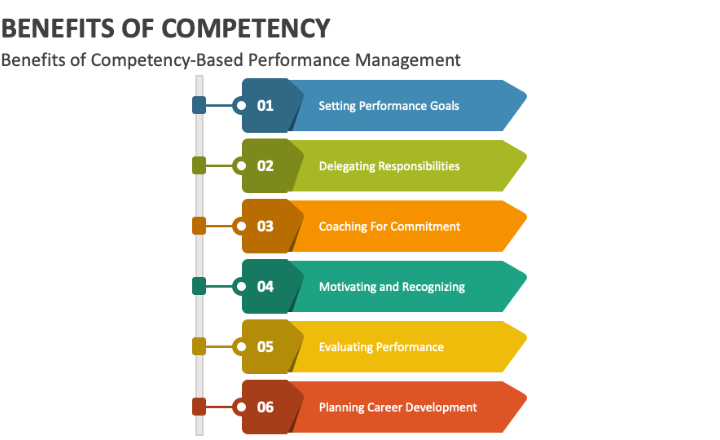
This shift builds public trust, reduces risks, and enables faster adoption of innovations like BIM and sustainability practices. Without it, the sector faces errors, compliance failures, and stalled progress.
Core areas include technical design, digital literacy (e.g., BIM and data standards), safety compliance, and lifecycle assessment. Frameworks must be role-specific, with continuous upskilling via training, audits, and evidence portfolios. Employers, educators, and bodies like BEFA play roles in mapping competencies and sharing best practices.
From static qualification to dynamic competence assurance
Strengthening competency and technical capability in the built environment is no longer a fixed point captured at qualification. It is a dynamic, evolving requirement, shaped by emerging technologies, digital tools, regulatory reform and new delivery models.
To maintain public trust, the sector must shift from static assumptions of competence to continuous, transparent and task-specific assurance – demonstrating that professionals are up to date at the moment of practice.
Traditional approaches emphasise entry standards and periodic CPD. However, in a landscape defined by accelerated change, competency assurance must become more granular, evidence-based and tightly aligned to real-world tasks.

Clear, role-specific competency frameworks
Competency should be defined not only by job title but also by the specific technical skills, digital capabilities, and day-to-day responsibilities required. Frameworks need to reflect:
- Digital practice and data literacy
- Safety and building compliance
- Sustainability and modern methods of construction
- Procurement, ethics and governance
- Required levels of autonomy and supervision
These profiles help organisations deploy the right competence to the right task – and evidence it.
Evidence of current and verifiable competence
To show that competence is current, employers and practitioners can adopt:
- Portfolios of recent work
- Observed practice and technical assessments
- Simulation-based evaluation
- Short, verifiable CPD and micro-credentials
For those performing compliance-critical duties, recency requirements and proportionate revalidation cycles may be needed.
Transparent declaration and proportionate oversight
Clients and regulators should have confidence in who is competent to do what. Proportionate audit – particularly for higher-risk activities assures without burden.
Firms also need robust internal controls so that managers can appropriately allocate skilled practitioners and log the supervision provided.
“Transparent declaration and proportionate oversight” in the built environment means that everyone involved in a project must openly state what they are competent to do, and regulators or clients apply supervision that matches the risk and complexity of the work. This approach strengthens safety, quality, and accountability without imposing unnecessary bureaucracy on low‑risk activities.
Transparent declaration
Professionals and organisations are expected to clearly declare their skills, knowledge, experience, and limits of competence (often called SKEB) for specific roles or tasks, such as principal designer, principal contractor, or higher‑risk‑building safety manager.
This includes publishing qualifications, accreditations, and any constraints on what they can safely deliver, so clients and regulators can verify that the right people are in the right roles.
Proportionate oversight
Oversight is scaled to the level of risk: higher‑risk buildings and complex projects receive more rigorous scrutiny, including audits and competence checks by bodies such as the Building Safety Regulator.
For lower‑risk work, oversight focuses on basic compliance and record‑keeping, avoiding excessive checks while still ensuring minimum standards of safety and technical capability.
Why this matters
Together, transparent declaration and proportionate oversight make it harder for under‑qualified firms or individuals to take on work beyond their capabilities, reducing design and construction failures.
They also encourage continuous professional development and clearer career pathways, because people know exactly what competence is expected and how their performance will be monitored.
What this means for education, employers, and professional bodies
Strengthening and evidencing technical competence requires aligned action across the system.
- Educators can map curricula and exit standards to current competency frameworks, offering graduates a clearer pathway to early practice competence.
- Employers should invest in upskilling, maintain skills matrices, and ensure ‘human-in-the-loop’ oversight where automation or digital tools are used.
- Professional bodies can collaborate on cross-cutting competencies and shift CPD from attendance-based models to outcome-based, demonstrable competence.
The new building safety regime has rightly sharpened expectations of competence for duty holders. Yet the imperative goes far wider. Digital construction, modern materials and new delivery models introduce new risks and new opportunities. A dynamic competence model ensures safe innovation and sustained public trust.
How BEFA will strengthen competency across the built environment
Competence assurance should not become a compliance burden – it should be a mechanism that keeps practitioners effective, confident and trusted.
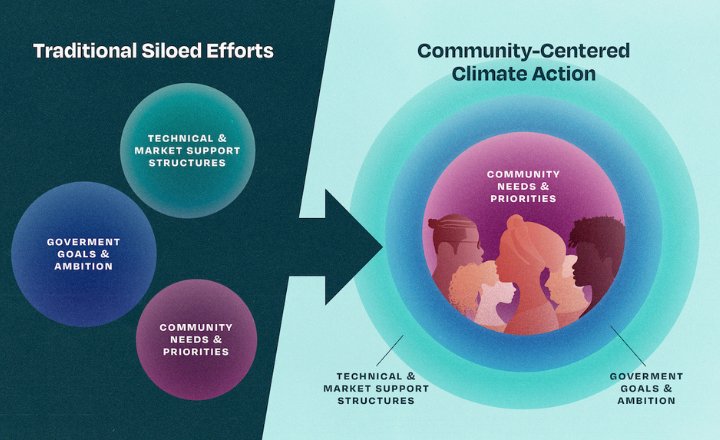
BEFA aims to support a future-ready workforce by:
Creating a cross-industry competency map
BEFA intends to facilitate the development of a sector-wide map of core and role-specific competencies. This will reflect contemporary practice, align expectations across disciplines and enable easier mobility, collaboration and mutual recognition.
Proposing proportionate revalidation and evidence models
BEFA may outline practical templates for revalidation, micro-credentials and evidence portfolios – helping organisations adopt robust yet manageable approaches to demonstrating competence.
Sharing best practices in digital tools and technical assurance
By curating case studies, BEFA will highlight effective use of digital tools, documentation and supervision models that build technical capability and manage liability.
A renewed focus on competency, technical capability and credible assurance is essential for a safe, resilient and innovative built environment sector. BEFA will help lead this shift – championing a system where competence is current, clear, and consistently demonstrated.
Why competency and technical capability matter
- Project outcomes: Higher quality design, safer construction, on-time delivery, and better lifecycle performance.
- Risk management: Reduced errors, improved compliance, and clearer governance.
- Innovation adoption: Faster uptake of digital technologies, new materials, and modern methods of construction (MMC).
- Longevity and resilience: Skilled professionals who can design for adaptability, climate resilience, and maintenance efficiency.
- Stakeholder trust: Demonstrable capability builds confidence among clients, regulators, and communities.
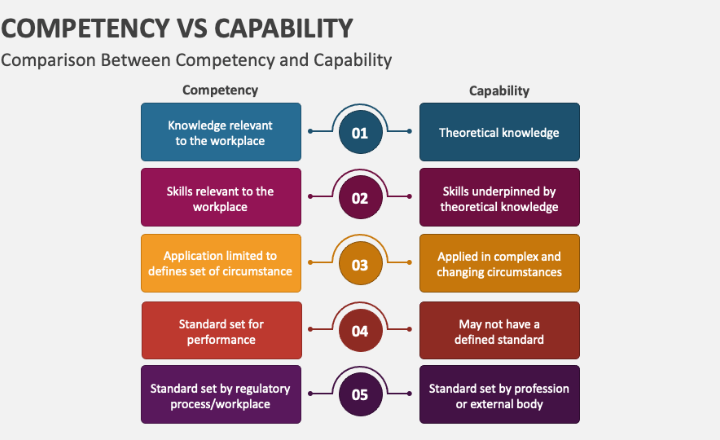
Core competencies in the built environment
Competency spans a blend of technical knowledge, practical skills, and professional judgment. Key domains include:
Technical design and analysis
- Structural integrity, acoustics, fire engineering, hydrology, and energy performance.
- Building information modeling (BIM) and interdisciplinary coordination.
- Lifecycle assessment (LCA) and whole-life cost optimization.
Construction methods and delivery
- Modern Methods of Construction (MMC), prefabrication, and modularization.
- Project management, scheduling, cost control, and risk assessment.
- Quality assurance, safety management, and site supervision.
Digital tools and data literacy
- BIM, digital twins, GIS, computational design, and simulation.
- Data standards, interoperability, and information management (e.g., COBie, ISO 19650).
- Automation, sensors, and metering for performance monitoring.
Sustainability and resilience
- Passive design, energy efficiency, and decarbonization strategies.
- Water management, materials transparency, and circular economy principles.
- Climate risk assessment and adaptation planning.
Governance, ethics, and professionalism
- Regulatory compliance, codes and standards, and ethical practice.
- Stakeholder engagement, inclusive design, and social value.
- Contracting, procurement, and governance frameworks.
Leadership and collaboration
- Cross-disciplinary teamwork, conflict resolution, and change management.
- Client advisory skills and value-driven delivery.
- Mentoring, knowledge transfer, and organizational learning
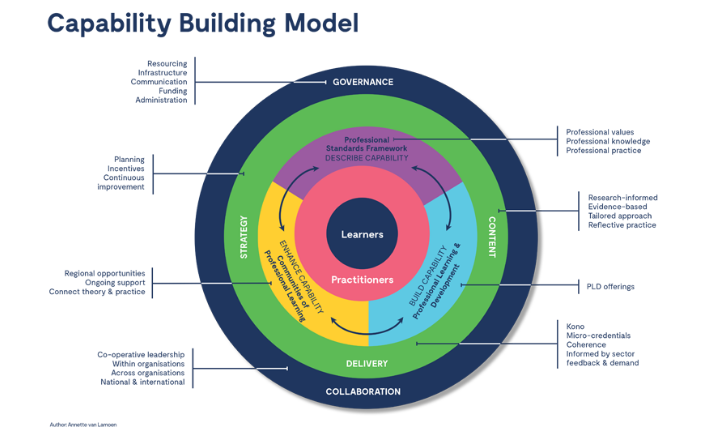
Strategic approaches to building capability
Strategic approaches to building capability focus on developing skills, processes, and resources aligned with long-term goals.
They include targeted training, technology adoption, and knowledge sharing to improve performance.
Continuous evaluation and adaptation ensure capabilities remain competitive and future-ready.
Leadership and culture
- Establish a clear capability framework aligned with organizational strategy.
- Foster a learning culture that rewards experimentation, safe failures, and continuous improvement.
- Sponsor ongoing professional development and allocate time for skill-building.
Education and training
- Structured training programs covering technical domains, software proficiency, and standards.
- Certification pathways (e.g., BIM qualifications, sustainability accreditations, safety training).
- Simulation-based learning, case studies, and site-based apprenticeships.
Digital maturity and data governance
- Develop a digital roadmap with prioritized tool adoption, interoperability, and data standards.
- Implement a common data environment (CDE) and robust information management policies.
- Invest in digital upskilling, including parametric design, analytics, and digital quality assurance.
Project delivery and process improvement
- Integrate BIM-Driven delivery and 4D/5D planning to improve collaboration and predictability.
- Standardize templates, checklists, and quality assurance processes.
- Use metrics and dashboards to monitor capability development and project performance.
Partnerships and ecosystem
- Collaborate with academia, industry bodies, and technology providers.
- Engage clients early to align on performance targets and data expectations.
- Create communities of practice to share knowledge and codify lessons learned.
Practical actions for organizations
Organizations should conduct regular skill audits and implement targeted training, mentoring, or digital, BIM-based tools to bridge competency gaps. Building a strong, compliant, and future-ready workforce requires integrating structured, outcome-based CPD, cross-disciplinary collaboration, and clear performance incentives.
Assess current capability
- Conduct a skills audit to map existing competencies against project needs.
- Identify gaps in technical, digital, and soft skills, plus leadership capacity.
Design a capability development plan
- Set measurable objectives (e.g., reduce rework by X%, increase BIM maturity level, achieve green building targets).
- Build a multi-year program combining formal training, on-the-job learning, and mentoring.
- Align incentives with capability outcomes (promotion criteria, recognition, and career pathways).
Invest in tools and infrastructure
- Roll out BIM/CDE standards, data templates, and interoperability checks.
- Provide access to simulation and analytics platforms; ensure data quality and governance.
- Equip teams with modern construction methods where feasible (e.g., modular components, off-site fabrication).
Foster knowledge transfer
- Establish mentoring and buddy programs; rotate project assignments to broaden exposure.
- Create knowledge libraries, playbooks, and after-action reviews.
- Encourage cross-disciplinary teams to build systems thinking.
Monitor, evaluate, and revise
- Use KPIs such as project delivery metrics, defect rates, safety incidents, and lifecycle performance data.
- Regularly review capability plans in response to market changes, regulatory updates, and technological advances.
- Celebrate successes and learn from setbacks to sustain momentum.
Role of policy, regulation, and industry bodies
- Codes and standards: Ensure professionals stay current with evolving requirements (energy, safety, accessibility, and sustainability standards).
- Certification schemes: Recognize and signal competency to clients and regulators.
- Industry collaboration: Leverage sector-wide initiatives on decarbonization, resilience, and digital transformation.
- Public procurement signals: Use procurement criteria to incentivize capability development and best practice.
Emerging trends shaping competency needs
- Decarbonization and energy transition: Greater emphasis on low-carbon design, embodied carbon assessment, and renovation of existing stock.
- Resilience and adaptation: Designing for climate risks, extreme weather, and urban density.
- Advanced materials and MMC: Knowledge of novel materials, precast systems, and off-site construction processes.
- Digital twins and performance-based design: Linking design models to real-time performance data for operation.
- AI-assisted design and analytics: Leveraging AI for optimization, risk analysis, and decision support.
Policy, regulation, and industry bodies play a central role in strengthening competency and technical capability in the built environment by setting clear standards, enforcing accountability, and supporting continuous professional development. They help align education, training, and practice with safety, sustainability, and digital‑technology demands across the sector.
Role of policy and regulation
Building‑safety and construction‑product regulations increasingly make competence a legal requirement, obliging designers, contractors, and inspectors to demonstrate appropriate skills and knowledge.
Regulatory frameworks also define technical standards (for materials, fire safety, information management, and digital workflows) that raise the baseline of technical capability across firms and projects.
Role of industry regulators and committees
Bodies such as the Building Safety Regulator and statutory competence committees define universal competence frameworks for roles like building inspectors, building control approvers, and installers, ensuring consistent expectations nationwide.
These regulators also review authorisation conditions, run competence‑based schemes, and publish guidance that drives cultural change toward higher professional standards.
Role of standards and professional bodies
Organisations like BSI and professional institutes develop and maintain technical standards, competence frameworks, and best‑practice guides that translate policy into practical tools for firms and individuals.
New platforms such as the Built Environment Competence Hub centralise standards, frameworks, and guidance so practitioners can easily access and apply up‑to‑date requirements, improving clarity and consistency across the lifecycle of built assets.
Impact on competency and capability
By linking regulation, standards, and industry‑led initiatives, these actors encourage investment in training, accreditation, and digital skills (such as BIM, data management, and digital twins). Over time this raises the overall technical capability of the workforce, reduces risk, improves building quality, and supports innovation in areas like smart infrastructure and low‑carbon construction.
Measuring success
- Project outcomes: On-time, on-budget delivery with quality and safety targets met.
- Capability metrics: Training hours per employee, certification rates, BIM maturity levels, and data governance compliance.
- Performance outcomes: Building performance during operation, reduced energy use, and maintenance efficiency.
- People metrics: Employee engagement, retention, and career progression.
Conclusion
Strengthening competency and technical capability in the built environment is a strategic, ongoing endeavor. By aligning leadership, education, digital maturity, and delivery processes with clear outcomes, organizations can deliver safer, smarter, and more sustainable built environments. The result is not only better projects but a more resilient industry that can adapt to evolving demands and opportunities.