
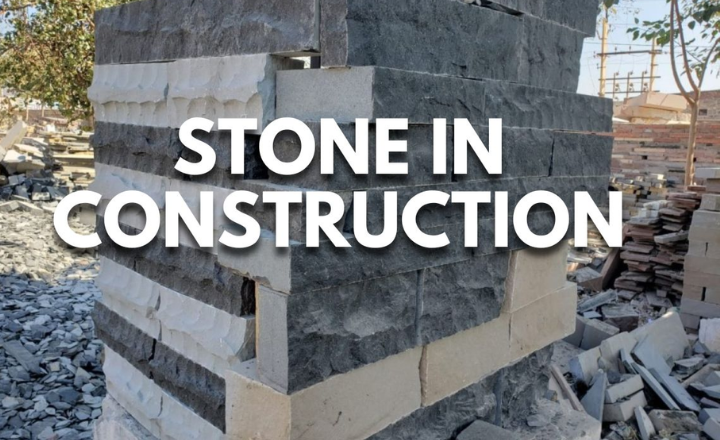
A characteristic of Good building stone should be robust and long-lasting, with features including a homogenous, compact structure free of fissures. Additional important characteristics are a fine, attractive look, reduced porosity and water absorption, and exceptional durability. It should also be well-seasoned, usable, and have good fire resistance.

Characteristics of a Good Building
Appearance
Structure
Appearance
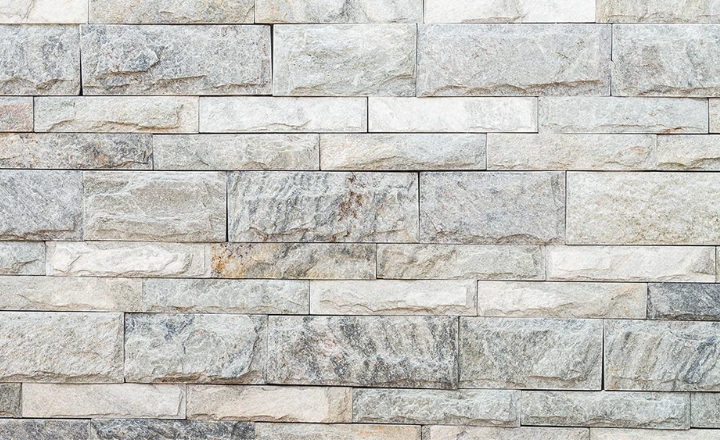
- A building stone’s texture plays a major role in its visual appeal, particularly when it comes to face work. A great stone has a compact, fine texture that enhances both its durability and visual appeal.
Light-colored stones are the best option because they are naturally resistant to fading over time, guaranteeing a brilliant, long-lasting appearance. Dark-coloured stones that are prone to fading could jeopardize the structure’s long-term aesthetic integrity.
- The visual characteristics of an excellent building stone, such as color, texture, and consistency, are collectively referred to as its appearance. It should be free of clay holes, blotches, and rust stains from iron oxide, which can lead to degradation, and it should have a respectable and appealing appearance.
The stone should be able to obtain a decent polish for aesthetic compatibility, and its color should be consistent and stable over time, preferably a light color for exposed purposes.

Structure
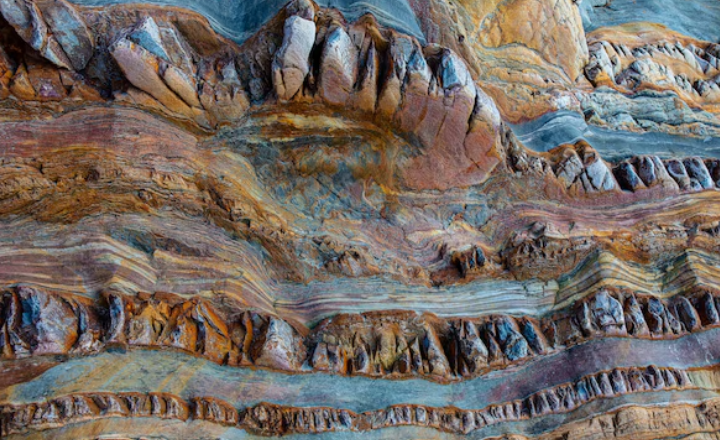
A high-quality construction stone should have a continuous texture and a lively appearance even when it breaks. It should also be free of cracks, voids, and places with loose or mushy material. If stratifications exist, they shouldn’t be visible to the unaided eye. These qualities are essential markers of a stone’s structural soundness and suitability for building.
Strength
A cornerstone of quality building stone lies in its resilience against weather-induced disintegration. The stone must exhibit robustness and durability, capable of withstanding the relentless forces of nature.
- According to their compressive strength values, which typically range from 60 to 200 N/mm², stones such as granite, basalt, limestone, sandstone, and marble are categorized in this illustration. It makes it easier to determine which stones, based on their strength, are suitable for specific construction loads and uses.
Weight
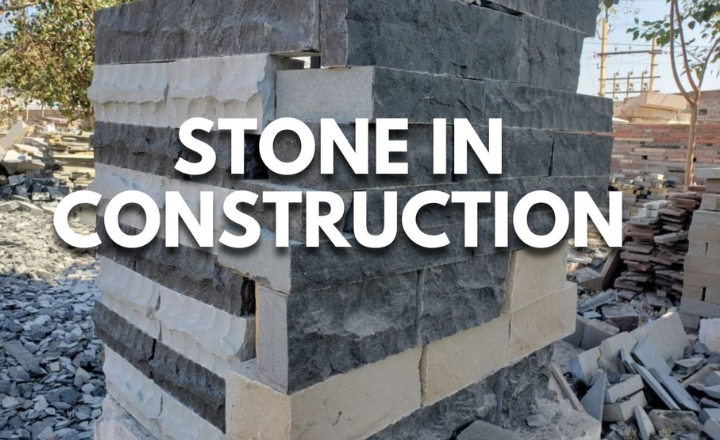
The porosity and density of a building stone are indicated by its weight, which frequently directs its application in various construction contexts. When it comes to stabilizing constructions like retaining walls and dams, where solidity and weight distribution are crucial, heavier stones like granite or basalt work best.
On the other hand, because of their relative lightness, lighter stones like sandstone or limestone are frequently chosen for structures like domes, vaults, and arches. These stones accommodate the complex architectural patterns of these buildings by striking a balance between strength and flexibility.
Hardness
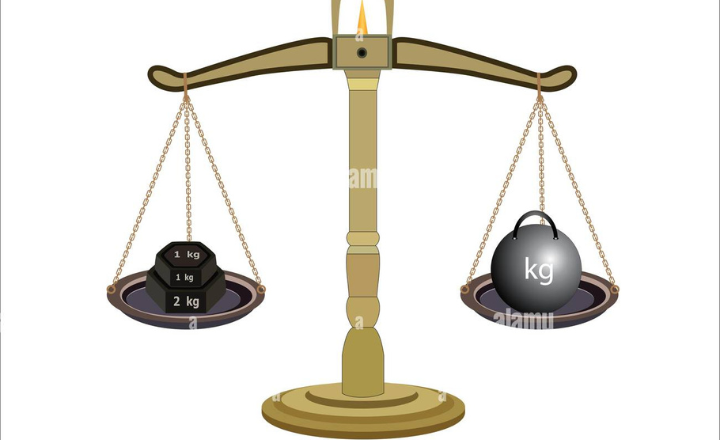
A crucial characteristic of a building stone, hardness is necessary for surfaces that are subjected to frequent use, such as floors, pavements, and bridge aprons. This feature evaluates a stone’s resistance to wear and abrasion using the Mohs scale.
Higher Mohs scale stones, such as quartzite or granite, provide exceptional hardness, guaranteeing longevity and durability in high traffic locations. Understanding a stone’s hardness aids in selecting the most suitable material for various construction applications, guaranteeing longevity and minimal wear over time.
Toughness
When anticipating vibratory or moving loads in construction, a stone’s capacity to withstand impact is an essential factor. It measures how resilient a stone is to outside forces, making sure it can sustain blows without breaking or cracking. High-toughness stones, like quartzite or granite, are favored in places where dynamic loads are common because they protect structural integrity from possible stresses.

Porosity and Absorption
Porosity and Water Absorption: Mineral composition, cooling time, and structural development all affect porosity. Porosity and absorption are closely related properties of materials, particularly aggregates and concrete.
Absorption is the ability of a material to take in water or moisture, which depends on the porosity, specifically how many pores are interconnected and open to the surface.
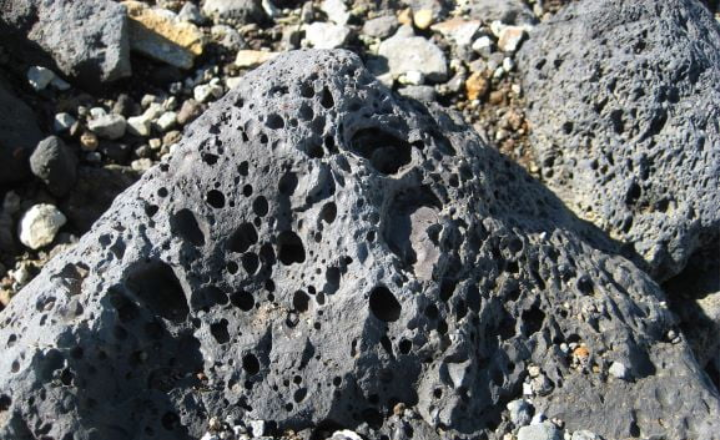
The porosity of a stone affects its ability to absorb water, which is important in figuring out how vulnerable it is to environmental impacts. When precipitation is absorbed by porous stones and then freezes, the stones expand, creating internal pressures that eventually lead to breaking.
Each stone has a varied allowable water absorption rate (see the table below for exact figures), which determines which applications they are suitable for.
Seasoning
Seasoning: The stone needs to be properly seasoned. It is crucial to properly season the stone. The process of letting the stone adjust to its surroundings typically by exposing it to the elements over time, incorporating it into construction is known as seasoning.
Because well-seasoned stone has already undergone the natural modifications required to endure environmental changes, it shows increased stability and longevity. This procedure reduces the possibility of erosion, cracking, and other types of deterioration that could happen if the stone hasn’t been properly seasoned.

Weathering
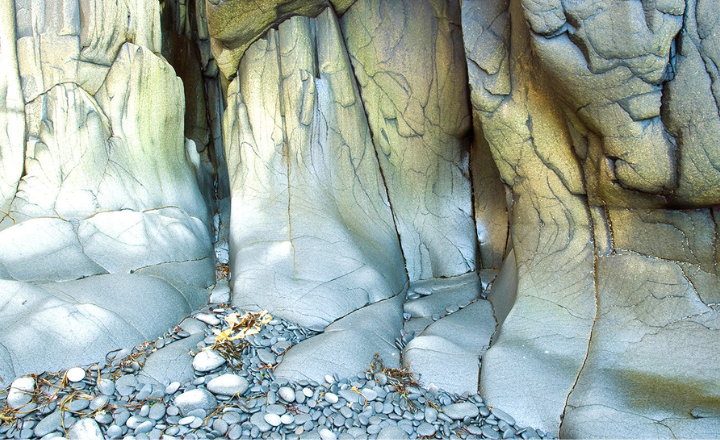
Stone should have a strong resilience to deterioration brought on by natural forces. The term weathering refers to a variety of degradation processes brought on by external elements such as wind, rain, temperature changes, and biological activity. Granite, quartzite, and basalt are stones that are well known for their remarkable resistance to weathering.
Granite is an igneous rock with coarse grains that is extremely resilient to weathering because of its compact structure and mineral makeup. The extrusive igneous rock basalt has exceptional resistance to weather-induced deterioration, retaining its strength and beauty even in challenging conditions.
Workability
Workability is a crucial factor to consider when choosing building stones. The ease of manipulation of a stone has a significant impact on its extraction from quarries and its conversion into precise sizes and forms that meet construction requirements.
Excellent workability stones have favorable textures, balanced hardness, and natural cleavage that allow for effective cutting and shaping without undue tool wear. This feature improves the final architectural structure’s longevity and visual appeal by streamlining building efforts and enabling complex designs.
Fire Resistance
Granite is notably fire-resistant and can withstand very high temperatures without burning. It does not ignite or fuel a fire; rather, it acts as a natural barrier to flame spread. Building stones’ resistance to the effects of heat is mostly due to the absence of calcium carbonate, iron oxides, and minerals with divergent thermal expansion coefficients.
This feature is essential for maintaining a building’s structural integrity, especially when there is a risk of fire or extreme heat. In order to choose the best building materials and improve both durability and safety in architectural applications, it is essential to comprehend the precise temperature thresholds at which various stones start to crumble.
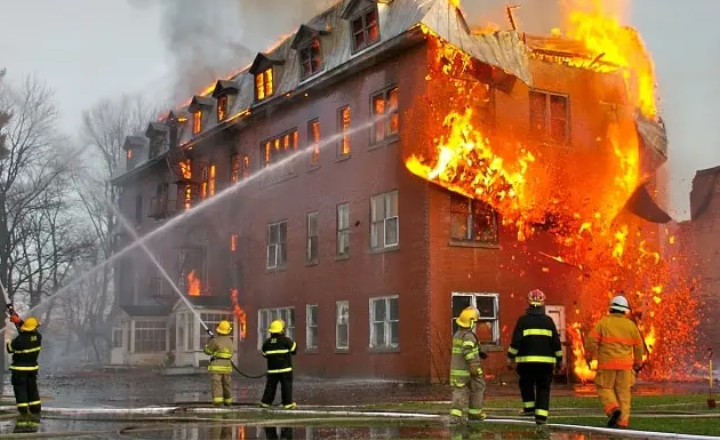
When determining whether building stones are suitable for construction, fire resistance is a crucial factor to take into account. Stones that are free of iron oxides, calcium carbonate, and minerals with different coefficients of thermal expansion are more resistant to high temperatures.
Notably, quartz, which disintegrates into smaller pieces around 575°C, causes igneous rocks to exhibit noticeable disintegration. Limestone can withstand temperatures up to about 800°C before disintegrating, demonstrating a comparatively higher tolerance.
Thermal Movement
Thermal movement in stone, which includes expansion and contraction due to temperature changes, is a fundamental physical property that affects its durability and structural integrity.
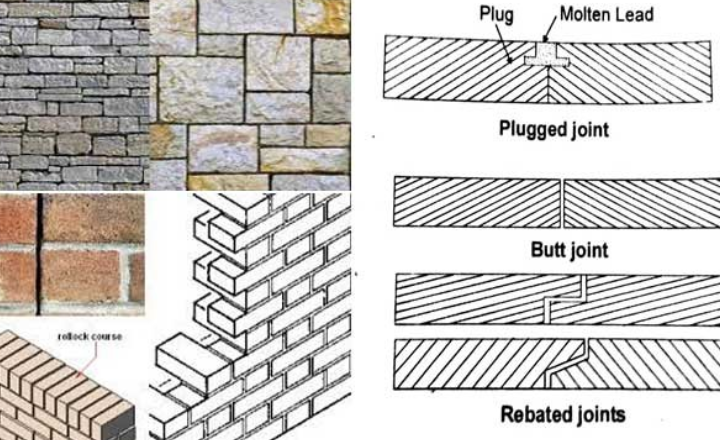
While thermal movements in building materials typically pose minimal issues, they can manifest problematic consequences, particularly in the context of joints in coping and parapets. These movements can cause these joints to open, creating pathways for rainwater ingress, leading to potential structural issues.
Marble, in particular, exhibits a notable susceptibility to thermal distortion. When exposed to heat, marble slabs may undergo distinct distortions, with one side expanding more than others, resulting in warping.
What complicates matters is that upon cooling, the slab often fails to revert to its original shape, leading to permanent deformations.
Understanding the thermal behaviors of different stones is imperative in construction, allowing for the selection of materials that minimize the risks of warping and ensure long-term structural stability.
Specific Gravity
One important physical characteristic of stone is its specific gravity, which quantifies its density in relation to water. It is defined as the ratio of the stone’s density (mass per unit volume) to that of water, usually measured at 4°C, the temperature at which water has its maximum density.
A stone with a specific gravity of 2.7 is 2.7 times denser than water since water has a specific gravity of 1.
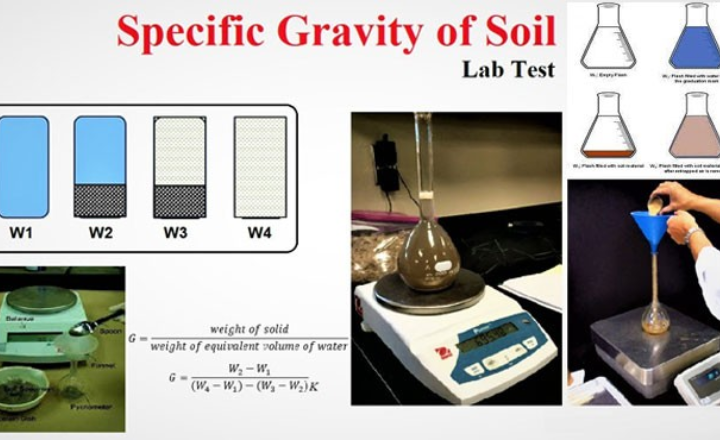
Stones typically have a specific gravity between 2.3 and 2.5. This measurement is a key indicator of the overall strength and durability of the stone material since it shows the density of the stone material relative to the density of water.
Higher specific gravity stones are typically more sturdy and compact, and they frequently have better load-bearing capacities. In order to choose materials that can sustain structural demands while guaranteeing stability and lifespan in a variety of architectural applications, it is crucial to comprehend the specific gravity of stones.
Conclusions
The endurance and aesthetics of any construction are greatly influenced by the characteristics of good building stone, such as its hardness, porosity, and color consistency. In addition to improving structural integrity, stones that excel in these areas also support sustainability and energy efficiency.